Understanding the Importance of Food Presentation
Food presentation is a crucial element of dining that can enhance the overall experience. Beyond just taste, how a dish looks can greatly influence a diner’s perception of quality and flavor. When visiting establishments that emphasize their menu, such as MISTERHOKI, patrons are often drawn to visually appealing dishes that stimulate their appetites even before the first bite. This section delves into why food presentation matters significantly in the culinary world.
Why Presentation Matters in Dining
The visual appeal of food can evoke emotions and heighten anticipation. Numerous studies suggest that striking presentation not only makes food look appetizing but can also lead to increased customer satisfaction and perceived value. A well-presented dish can enhance the dining experience, encouraging diners to order more and even return for future visits.
Psychology Behind Restaurant Atmosphere
The ambiance of a restaurant, including lighting, decor, and presentation, plays a significant role in customers’ emotional responses. The atmosphere sets the stage for the meal, and diners often form opinions about the quality and taste of food based on first visual impressions. A positive atmosphere can make even simple dishes appear more luxurious, impacting diners' satisfaction levels.
How Visuals Influence Dining Experience
Visual cues significantly impact the overall dining experience. Colors, shapes, and arrangements can suggest flavor profiles and freshness. Bright colors, for instance, often signal freshness and healthiness, while contrasting elements can create intrigue. The power of visuals in food can elevate even the simplest of dishes to a gourmet level, solidifying a strong connection between appearance and taste.
Key Elements of Effective Food Presentation
Color and Composition Techniques
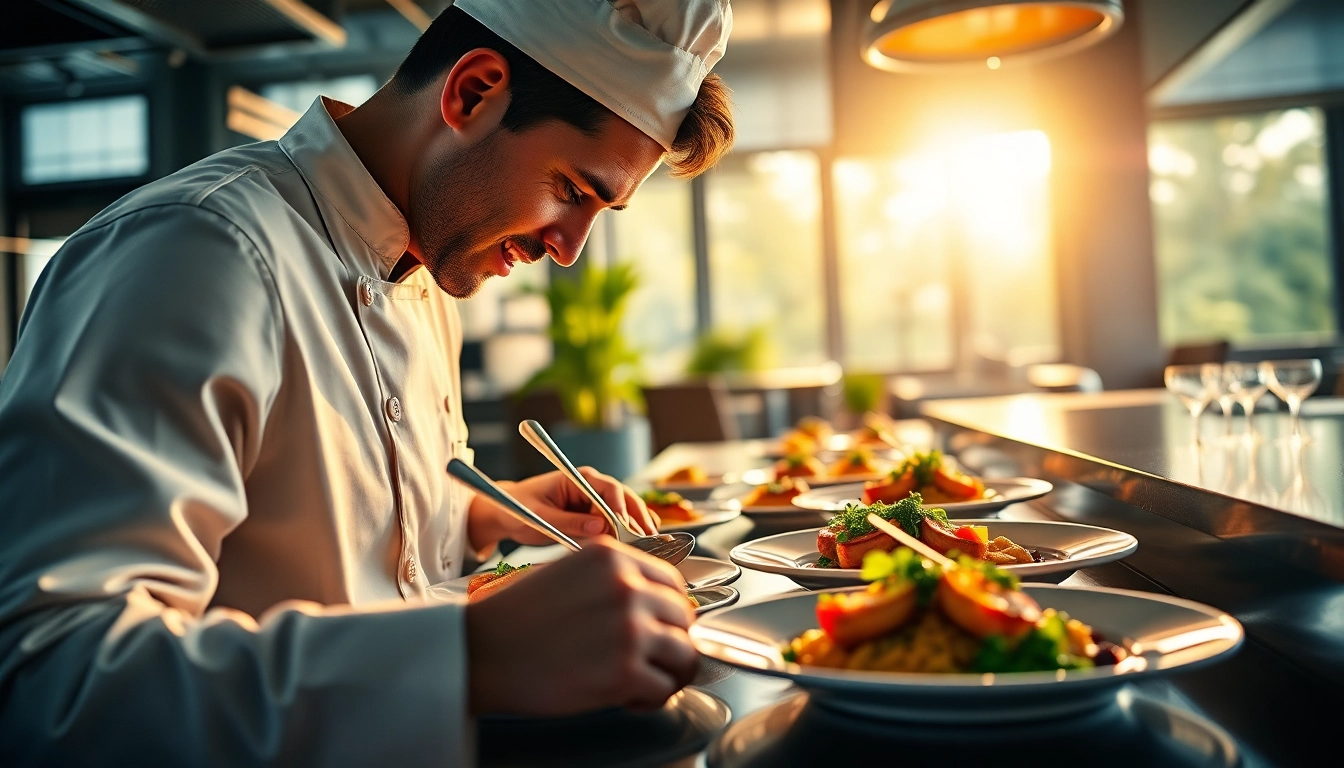
Utilizing color effectively is essential for creating a visually appealing plate. Colors can invoke emotions and perceptions; bright colors like greens and reds are associated with health and freshness, while rich, dark hues can imply sophistication. Including a variety of colors in a dish not only enhances visual appeal but also offers a balanced composition. Ensuring proper spacing and arrangement of food can lead to a more inviting presentation.
Using Plateware to Enhance Presentation
The choice of plateware is equally crucial. Plates should complement the meal, not overpower it. White plates are popular because they allow the colors of the food to stand out, while unique shapes or textured plates can add an additional layer of interest. Strategies like choosing the right size for the serving can effectively impact perception; oversized plates can make portions appear smaller, while smaller plates can create the illusion of abundance.
Garnishing Tips for Visual Appeal
Garnishes are not merely decorative; they can enhance flavor and aroma while enriching the plate's visual appeal. Fresh herbs, edible flowers, or simple drizzles of sauces can add color and texture. However, it's essential to maintain balance and avoid clutter. Each garnish should serve a purpose and complement the dish rather than distract from it.
Common Mistakes in Restaurant Presentation
Overly Complicated Designs
When it comes to plating, less is often more. Overly complicated designs can overwhelm the diner and detract focus from the food itself. A chaotic plate can create confusion about what flavors to expect, turning a delightful meal into a puzzling experience. Simplicity allows the food to shine and helps customers appreciate the chef’s culinary expertise.
Ignoring Color Balance
Focusing only on one or two colors might lead to dull presentations. Food plates should incorporate a variety of colors to create visual balance and interest. Ignoring this aspect can result in presentations that are less inviting. A well-balanced color scheme can make a dish more appealing and appetizing.
Poor Plate Selection
Choosing the wrong platting style can significantly impact perception. For instance, using deep bowls for a small portion can create an uninviting impression, while large plates with small portions may seem inadequate. Selecting the appropriate plate style, size, and color is fundamental to elevating the dining experience and ensuring that content and form match harmoniously.
Innovative Trends in Food Presentation
Using Technology for Visual Appeal
In today's culinary landscape, many chefs are leveraging technology to enhance food presentation. Techniques such as 3D printing for intricate designs or molecular gastronomy can lead to innovative and artistic plating styles. Additionally, social media platforms inspire visually striking presentations that diners are eager to share, further driving establishments to prioritize aesthetic appeal.
Plant-Based and Sustainable Packaging Trends
As the demand for sustainability grows, many establishments are exploring plant-based and environmentally friendly packaging options that do not compromise the presentation. Eco-friendly packaging can showcase dishes in a way that aligns with customers' expectations of sustainability, drawing attention to both the food and the environmental consciousness of the restaurant.
Interactive Dining Experiences
Interactive dining is a trend that enhances food presentation by incorporating elements that engage diners beyond just eating. This could involve edible garnishes that diners can use themselves or presentations that encourage participation, such as sharing platters or customizable elements that let customers tailor their meals. Such experiences become memorable events, adding depth to the dining journey.
Measuring Success through Customer Feedback
Collecting Customer Insights
Feedback is paramount in assessing the effectiveness of food presentation. Gathering insights from diners about their experiences can provide critical data on what presentations resonate best. Techniques like surveys or encouraging reviews can reveal trends and preferences that help restaurants refine their approach to plating and overall presentation.
Adapting to Trends and Preferences
The culinary industry is ever-evolving, and staying attuned to customer preferences is essential. Successful establishments often adapt their presentations based on seasonal trends and evolving consumer expectations. Keeping a pulse on dining trends through analytics can provide invaluable feedback, which can help shape the future direction of food presentation.
Case Studies of Successful Restaurants
Several restaurants embody the principles of effective food presentation, leading to successful outcomes. They often revisit customer feedback, allowing them to innovate continuously and improve upon existing presentation styles. Learning from their experiences can offer valuable lessons for other establishments looking to enhance their food presentation strategy.
FAQs
What are the key elements of food presentation?
Key elements include color contrast, composition, plateware choice, and garnishing. Each aspect contributes to a visually appealing dish that entices diners.
Why does food presentation matter in dining?
Food presentation affects taste perception and overall satisfaction. Visually appealing dishes enhance the dining experience and encourage repeat visits.
How can I improve my restaurant's food presentation?
Focus on color balance, choose appropriate plateware, use simple designs, and engage in continual learning from customer feedback to refine your approach.
What are some common mistakes in food plating?
Common mistakes include overly complicated designs, ignoring color balance, and poor plate selection, which can detract from the meal's appeal.
What trends are influencing food presentation today?
Trends include interactive dining experiences, technology in plating, and sustainable packaging that aligns with modern consumer preferences.