
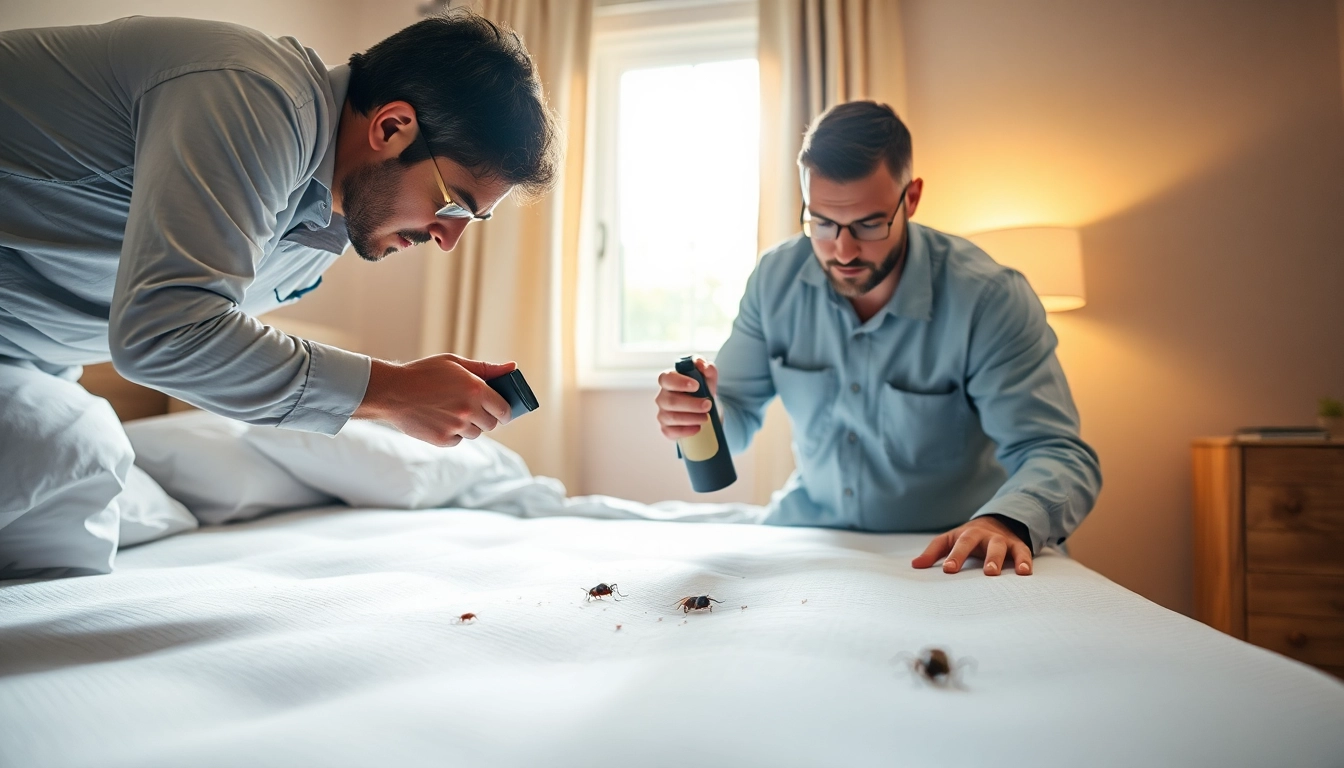
Understanding Bed Bugs and Their Behavior
What Are Bed Bugs?
Bed bugs are small, reddish-brown insects that primarily feed on human blood. They are approximately 4-5 mm long, flat, and oval-shaped, allowing them to hide in small crevices and seams of furniture, bedding, and carpets. Despite their name, bed bugs can dwell in various habitats, including public transportation, hotels, and movie theaters. Their bites can leave itchy welts on human skin, leading to discomfort and potential allergic reactions, making effective bed bug pest control crucial for maintaining comfort and health in affected environments.
Why Bed Bugs Are a Problem
Bed bugs pose several challenges, particularly in urban areas where dense population facilitates their spread. Beyond the physical discomfort of bites, the psychological impact cannot be ignored—those affected often experience anxiety and stress due to fear of infestation. Moreover, bed bugs can be notoriously hard to eradicate once established, leading to prolonged suffering and substantial financial costs associated with treatment. Understanding their behavior and biology is the first step in developing effective pest management strategies.
Identifying Bed Bug Infestations
Identifying an infestation early enhances control measures. Look for signs such as:
- Visible bed bugs on sheets, mattresses, and bed frames.
- Dark spots of bed bug excrement on bedding or walls.
- Molted shells of bed bugs, which they shed as they grow.
- Small, itchy welts on the skin from bites, usually found on exposed areas.
Prevention Strategies for Bed Bug Pest Control
Regular Maintenance Tips
Consistent housekeeping is key to preventing bed bug infestations. Regularly wash and dry bedding at high temperatures to kill any hidden bugs or eggs. Vacuuming carpets, rugs, and upholstered furniture can also help. Ensure that any cracks or crevices in the walls and furniture are repaired promptly, as these can serve as hiding spots for bed bugs.
Storage Techniques to Avoid Infestation
When storing items, especially clothing or linens, use plastic containers or vacuum-sealed bags to minimize exposure. Ensure that these storage options are clean and free from any previous infestations before use. Stored items should be inspected periodically to prevent unnoticed infestations.
Preventive Measures for Travelers
Travelers are particularly susceptible to picking up bed bugs from hotels or public transport. It’s advisable to inspect hotel rooms upon arrival—check the bed linen, headboards, and nearby furniture for any signs of bugs. Use luggage racks rather than placing bags on the floor or bed. After traveling, unpack in a designated area and wash clothing immediately to minimize the risk of introducing bed bugs into your home.
Effective Treatment Methods for Bed Bug Pest Control
Chemical Treatment Options
Chemical treatments vary in their efficacy and application. Commonly used pesticides are pyrethroids, which attack the nervous system of bed bugs. Always follow label instructions carefully to ensure safety and effectiveness. In severe cases, foggers or residual sprays may be utilized, but these should be applied by professionals to avoid potential health hazards and ensure thorough coverage.
Non-Chemical Approaches
Non-chemical methods include heat treatments, which involve raising a room's temperature to over 120°F, effectively exterminating bed bugs and their eggs. Steam treatments can also be employed to target specific areas such as cracks or seams. Using encasements on mattresses and box springs can prevent bed bugs from entering or escaping, creating a barrier that complements other treatment strategies.
Professional Extermination Services
While DIY solutions can prove effective, engaging a professional pest control service is often the most reliable option for substantial infestations. Professionals employ an integrated pest management (IPM) approach, combining chemical, non-chemical, and monitoring tactics to assure comprehensive treatment. Assessments and follow-up visits can greatly enhance the likelihood of eradicating an infestation.
Costs Involved in Bed Bug Pest Control
Factors Influencing Treatment Costs
The cost of bed bug pest control services can fluctuate based on several factors, including the severity of the infestation, the size of the treated area, and location. Additional expenses may arise from follow-up visits or supplementary treatments, particularly if the initial efforts do not fully eradicate the infestation.
Average Extermination Costs
On average, professional extermination costs can range widely, often ranging from hundreds to thousands of dollars depending on the extent of the problem. It is crucial to obtain multiple estimates and consider the long-term savings that effective and comprehensive treatment can offer over less thorough methods.
Cost-Effective DIY Solutions
Homeowners may adopt various DIY solutions to mitigate costs, which include using diatomaceous earth, which is a natural insecticide that can be dusted in areas where bed bugs are suspected. Regular vigilance and immediate action at the first sign of re-infestation can prevent greater expenses down the line. However, it's essential to balance DIY efforts with professional assistance for best results.
Evaluating the Success of Bed Bug Pest Control
Signs of Successful Treatment
Successful treatment is evidenced by the absence of bites, visible bed bugs, or blood spots on bedding. Continued monitoring for several weeks post-treatment is essential to confirm the elimination of bed bugs and to address any possible resurgence.
When to Seek Additional Help
If signs of bed bugs persist after treatment, it's advisable to contact pest control services for a re-evaluation. Situations where DIY remedies fail to yield results or when signs of new infestations appear require immediate professional intervention to protect both physical and mental health.
Long-Term Management Strategies
Long-term management is founded on continuous prevention strategies. Regular inspections and integrating preventative measures into everyday practices will create a robust defense against potential infestations. Community awareness and education also play a vital role in managing bed bug populations and reducing their spread.
Frequently Asked Questions
Can you get rid of bed bugs with pest control?
Yes, professional pest control services can effectively eliminate bed bug infestations. Multiple treatments are often necessary to ensure all life stages are addressed.
What kills bed bugs instantly?
High temperatures above 120°F can kill bed bugs instantly. Steam treatments and certain professional-grade insecticides are also effective against them.
How much will it cost to remove bed bugs?
The cost of removing bed bugs can vary significantly, typically ranging from $300 to $2,000, depending on various factors, including infestation severity and treatment methods used.
How can I prevent bed bugs?
Preventative measures include regular cleaning, careful inspection of second-hand items, usage of protective coverings on mattresses, and being watchful when traveling.
Are DIY solutions effective against bed bugs?
While some DIY solutions can help control minor infestations, professional help is often necessary for complete eradication of bed bugs to ensure thorough treatment.