
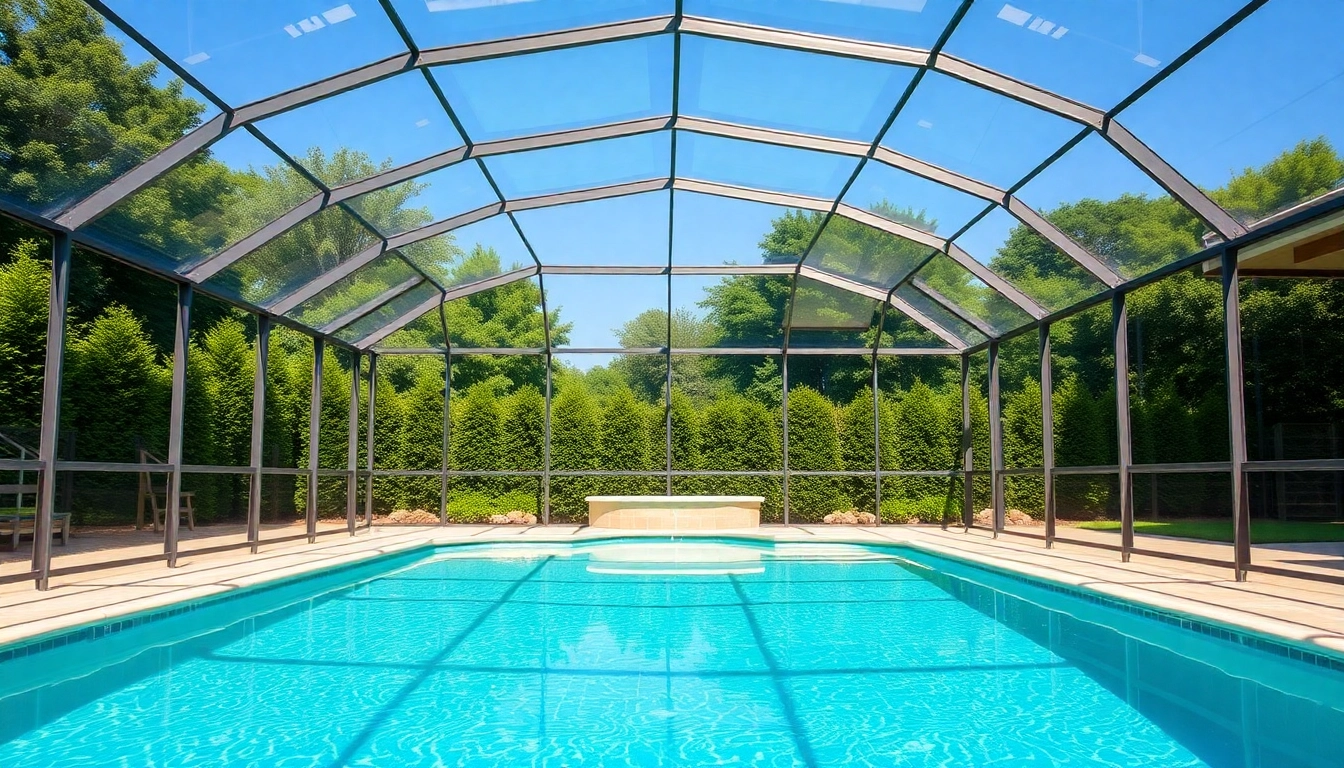
Understanding Pool Enclosure
What is a Pool Enclosure?
A Pool Enclosure is a structural unit that encapsulates a swimming pool, providing protection and allowing for year-round use. Typically made from materials like glass, polycarbonate, or screen mesh, these enclosures offer a barrier against outdoor elements. They not only keep leaves, dirt, and debris out but also extend the swimming season by maintaining a warmer pool temperature. Furthermore, they contribute to safety by preventing accidental falls into the water.
Types of Pool Enclosure
There are several types of pool enclosures, each designed to fit various needs and preferences.
- Permanent Enclosures: These are built to last with durable materials such as glass or strong aluminum frames. They offer maximum protection and aesthetic appeal.
- Retractable Enclosures: These enclosures can be opened or closed based on the weather or preferences, providing flexibility and convenience. They allow you to enjoy the outdoors when the weather is favorable.
- Inflatable Pool Domes: This is an economical choice, consisting of a large, air-filled dome that can be set up and taken down easily, ideal for seasonal use.
- Screened Enclosures: Usually framed in aluminum, these enclosures use a fine mesh screen to provide airflow while keeping insects and debris out, perfect for warmer climates.
Benefits of Installing a Pool Enclosure
Investing in a Pool Enclosure comes with a range of benefits that enhance the overall experience of pool ownership:
- Extended Swimming Season: With a proper enclosure, you can enjoy your pool for longer periods throughout the year, regardless of the changing seasons.
- Increased Safety: Enclosures can serve as a barrier, reducing the risk of accidents, particularly beneficial for families with young children or pets.
- Reduced Maintenance: Enclosures prevent debris accumulation, reducing the time and money spent on pool cleaning and maintenance.
- Energy Efficiency: By trapping heat, enclosures help maintain the water temperature, leading to reduced heating costs.
- Enhanced Aesthetic Appeal: Many enclosures are designed to complement outdoor decor, adding elegance to your surroundings.
Choosing the Right Design for Your Pool Enclosure
Popular Styles of Pool Enclosure
The design of your pool enclosure plays a significant role in your overall satisfaction. Here are some popular styles to consider:
- Modern Minimalist: With sleek lines and glass panels, this style focuses on unobstructed views while providing full functionality.
- Classic Traditional: Featuring ornate railings and framework, these enclosures can enhance the charm of more traditional homes.
- Nature-Inspired: Constructed with natural wood elements, these enclosures blend seamlessly into garden settings, creating a rustic feel.
- Geometric Shapes: Some enclosures utilize unique shapes for a contemporary twist, such as hexagons or octagons, adding a modern touch.
Factors to Consider in Design
When designing your pool enclosure, several factors should be taken into account to ensure it meets your needs:
- Climate: Consider the weather in your area to choose materials that can withstand the elements.
- Space: Assess your backyard space to avoid overcrowding while providing enough area for activities around the pool.
- Usage: Think about how often you'll be using the pool and for what purpose (recreational, therapeutic, etc.).
- Privacy: If privacy is a concern, opt for designs with higher walls or tinted materials.
Customization Options for Your Pool Enclosure
Customization can enhance the functionality and aesthetics of your Pool Enclosure. Here are some options to consider:
- Color Choices: Selecting different colors can help integrate the enclosure with your existing home decor.
- Screen Types: Different mesh densities can be chosen based on your preferred level of visibility and airflow.
- Additional Features: Consider adding features such as built-in lighting, heating systems, or retractable screens.
- Landscaping: Integrating plants and landscaping around the enclosure can enhance its visual appeal.
Installation Process for Pool Enclosure
Preparing for Pool Enclosure Installation
Before beginning the installation of your Pool Enclosure, proper planning is crucial:
- Research Local Regulations: Check for any permits or regulations that might be required in your area.
- Choose the Right Location: Evaluate your yard to determine the best position for the enclosure, considering sunlight, wind, and privacy.
- Select Materials: Based on your budget and design preferences, choose the appropriate materials for durability.
- Gather Tools: Ensure you have all necessary tools and materials before starting the installation process.
Step-by-Step Installation Guide
Here's a step-by-step guide for installing a basic pool enclosure:
- Mark the Area: Use stakes and string to outline the space where the enclosure will be installed.
- Prepare the Foundation: Level the ground and lay a solid foundation, either concrete or pavers, depending on design.
- Assemble Frame: Depending on your enclosure design, assemble the frame sections according to the manufacturer's instructions.
- Add Panels: Attach panels or screens, ensuring tight seals to prevent any gaps that could allow debris or pests inside.
- Finish Touches: Install any additional features such as doors, locks, or lighting before cleaning up the installation area.
Hiring Professionals vs. DIY Installation
Deciding whether to install your pool enclosure yourself or hire professionals can be a significant decision:
- DIY Advantages: Cost savings, full control over design and materials, and personal satisfaction.
- DIY Disadvantages: Time-consuming, need for specific skills, and potential errors in installation.
- Professional Hiring Advantages: Time-efficient, ensures high-quality installation, and typically includes warranties or guarantees.
- Professional Hiring Disadvantages: Higher cost and less personalized control over the design process.
Maintenance of Pool Enclosure
Cleaning and Care Tips for Your Pool Enclosure
Regular maintenance is vital for keeping your Pool Enclosure in top condition:
- Routine Cleaning: Use a soft brush or sponge with mild soapy water for glass or polycarbonate panels. Avoid abrasive materials that could scratch the surfaces.
- Check Seals: Ensure all seals are airtight to prevent debris; replace any worn gaskets or seals as necessary.
- Inspect Frame and Fasteners: Regularly check for rust or wear and treat or replace as needed to maintain the structural integrity.
Common Issues and Troubleshooting
Even with proper care, issues may arise. Here’s how to troubleshoot them:
- Fogged Panels: Clean the panels with vinegar or a specialized cleaner to restore clarity.
- Loose Fasteners: Regularly inspect and tighten screws, locks, and connections as needed.
- Debris Buildup: Keep gutters and drainage clear to avoid water pooling, which can cause sagging.
Seasonal Maintenance Checklist
Seasonal maintenance ensures that your enclosure remains functional and appealing throughout the year:
- Spring: Deep clean the enclosure, check for any winter damage, and repair as needed.
- Summer: Maintain the pool area regularly to prevent any wear and tear from UV exposure.
- Fall: Prepare for winter by removing any debris and storing any removable features.
- Winter: Inspect enclosures for snow load, clear any buildup cautiously to avoid damage.
Cost and Value of Pool Enclosure
Factors Affecting Pool Enclosure Costs
Understanding the costs associated with a Pool Enclosure can help when budgeting for installation:
- Material Quality: Prices vary significantly between materials—higher-quality materials generally incur higher initial costs but offer better longevity.
- Size of Enclosure: Larger enclosures will naturally incur more material and labor costs.
- Design Complexity: Custom designs or features can also add to the cost with additional labor and materials required.
Long-Term Value and Savings
Initially, a Pool Enclosure may seem like a significant investment, but it can save you money in the long run:
- Reduced Maintenance Costs: With less debris entering the pool, you'll spend less on cleaning and maintenance.
- Lower Heating Bills: Since enclosures heat the pool naturally, heating costs can drop significantly.
- Increased Property Value: A well-constructed enclosure can enhance the aesthetic appeal of your home, boosting property value.
Financing Options for Your Pool Enclosure
When considering financing for your Pool Enclosure, explore various options to make the investment more manageable:
- Home Equity Loans: Using equity from your home can be a cost-effective method to finance your enclosure.
- Credit Installment Plans: Some companies offer payment plans to spread the cost over time.
- Personal Loans: Standard personal loans can be another avenue, depending on your credit situation.
FAQs about Pool Enclosure
What is the cheapest way to enclose a pool?
The most affordable option is an inflatable pool enclosure, which is easy to set up and take down, making it ideal for seasonal use.
Is a pool enclosure worth it?
Yes, a Pool Enclosure enhances outdoor living space, extends the swimming season, reduces maintenance, and improves safety.
How long does it take to install a pool enclosure?
The installation time varies based on the type, but a standard enclosure can be installed in a few days with proper planning.
Can I install a pool enclosure myself?
Yes, if you have the necessary skills and tools, but hiring professionals may ensure better results and save time.
How do I maintain my pool enclosure?
Regular cleaning, checking seals, and inspecting for damage are vital for maintaining a Pool Enclosure.