
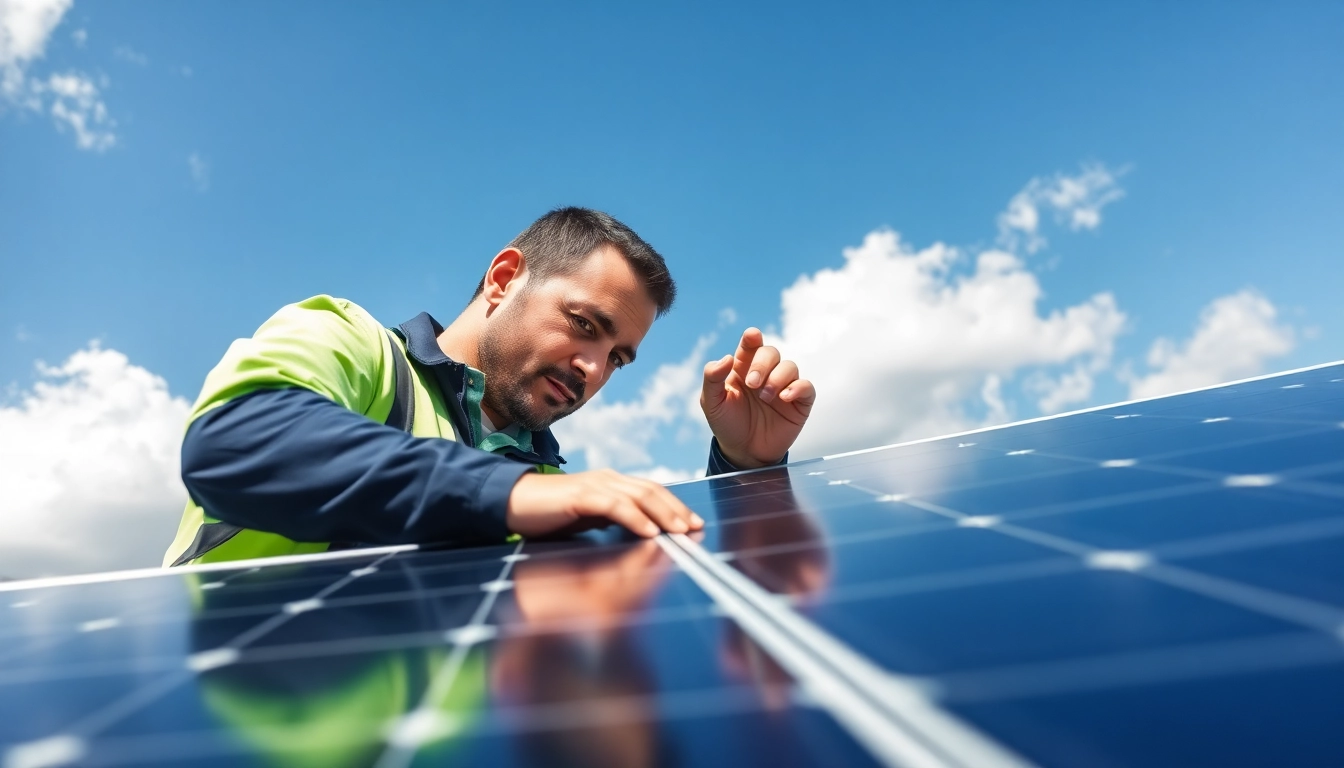
Understanding Solar System Repair Basics
As solar energy becomes an increasingly vital resource for home and business energy needs, understanding how to maintain and repair these systems is essential. Solar system repair involves diagnosing and fixing issues to ensure the longevity and efficiency of solar panels. If your system is experiencing problems, you may face reduced energy output and increased costs. By exploring the realm of solar system repair, you can safeguard your investment and ensure your solar system functions optimally.
What is Solar System Repair?
Solar system repair refers to the necessary interventions and corrections performed on solar panels, inverters, and connected components. This process may involve repairing physical damage, fixing wiring issues, or replacing malfunctioning components. Over time, even the most robust solar systems can encounter wear and tear or damage from environmental conditions, requiring prompt attention to maintain efficiency.
Common Issues Requiring Repair
Common issues that may require solar system repair include:
- Cracked or Broken Panels: Physical damage due to hail, debris, or improper installation can result in decreased efficiency.
- Inverter Malfunctions: The inverter converts solar energy into usable electricity; if it fails, the entire system's performance is compromised.
- Wiring Problems: Faulty or frayed wiring can cause short circuits or energy loss, impacting performance.
- Dirty Panels: Accumulated dirt and debris can obstruct sunlight absorption, reducing energy output.
- Connector and Junction Box Issues: Problems in these components can disrupt energy flow and pose safety hazards.
Importance of Routine Maintenance
Regular maintenance is critical in preventing the need for extensive repairs. Routine inspections can help identify potential issues before they escalate into major problems. Key maintenance tasks include cleaning solar panels, inspecting wiring, and testing inverter performance. Establishing a maintenance schedule can extend the system's lifespan and improve energy efficiency.
Identifying Problems in Your Solar System
Signs Your Solar Panels Need Repair
Being aware of the signs that indicate a need for repair can help you act quickly to mitigate issues. Look for:
- Reduced Energy Production: If your system is generating less energy than expected, it may be time for a closer inspection.
- Physical Damage: Visibly cracked, broken, or discolored panels indicate the need for repair.
- Inverter Warning Lights: Many inverters have diagnostic lights that indicate malfunctions; a red light typically signals a problem.
- Unusual Sounds: If your inverter is making strange noises, it may be malfunctioning.
- Burning Smell: Any electrical smell can indicate serious wiring issues that require immediate attention.
How to Diagnose Common Issues
Diagnosing problems within your solar system may require some basic knowledge and tools. Start by monitoring the energy output against expected production levels during peak sunlight hours. Utilize a multimeter to test the voltage output of the panels and inverter. Moreover, inspecting the wiring and connection points can help you identify any visible damage.
When to Call a Professional
While DIY repairs can save money, certain situations demand professional intervention. If you observe extensive physical damage, experience frequent inverter failures, or detect signs of electrical issues, call a qualified technician. They possess the expertise and tools necessary to perform thorough diagnostics and safe repairs.
DIY Solar System Repair Techniques
Basic Tools and Materials Needed
Having the right tools and materials can simplify minor repairs. Essential items may include:
- Multimeter: For measuring voltage to diagnose inverter and panel functionality.
- Basic Hand Tools: Screwdrivers, pliers, and wrenches for dealing with hardware.
- Cleaning Supplies: Soft cloths, brushes, and mild detergents for panel maintenance.
- Replacement Parts: Having spare connectors and fuses can be helpful for quick fixes.
Step-by-Step Guide for Minor Repairs
If you’re faced with minor issues, following a methodical approach can be beneficial. Here’s how to address common minor repairs:
- Inspect Panels: Look for any visible damage or dirt.
- Clean Build-Up: Use a soft cloth or brush to remove debris gently.
- Check Connections: Ensure wiring and connectors are secure; tighten if needed.
- Test Voltage: Use a multimeter to check the output voltage from each panel and the inverter.
- Replace Faulty Components: Swap out any damaged connectors or fuses with the correct replacements.
Safety Precautions During Repairs
Safety should always be a priority during any repairs, even minor ones. Make sure to:
- Turn off the solar system before starting work.
- Wear insulating gloves when checking electrical connections.
- Use ladders safely and ensure stability when accessing roof-mounted panels.
- Be mindful of the weather; avoid working on a wet or windy day.
Cost Factors in Solar System Repair
Understanding Repair Costs
Repair costs can vary significantly based on the nature and extent of the issue. Typical factors influencing the cost include:
- Type of Repair: Basic cleaning may cost less than replacing inverter components or panels.
- Labor Costs: Hiring professionals may incur additional expenses compared to DIY solutions.
- Location: Prices may differ based on the region and service providers availability.
- Accessibility: Roof installations or hard-to-reach areas may increase labor charges due to safety requirements.
Saving Money with Preventative Maintenance
Investing in preventative maintenance can ultimately save you significant repair costs. Scheduled cleanings, periodic inspections, and timely repairs can prevent smaller issues from developing into costly repairs, preserving the performance and longevity of your solar system.
Insurance and Warranty Considerations
Review your solar system's warranty and insurance policy to understand coverage for repairs. Some systems may offer warranties that cover certain repairs, while others may not. Also, check if your homeowner’s insurance provides coverage for damages to your solar panels, as this could alleviate some financial burden.
Future Trends in Solar System Repair
Technological Innovations Impacting Repairs
Emerging technologies are poised to revolutionize solar system repairs. Advances in diagnostics, such as the use of drones for aerial inspections, allow for quicker assessments and minimize service costs. Additionally, AI-driven tools may enhance predictive maintenance by identifying issues before they become significant problems.
Sustainability Practices in Repair Services
With an increasing focus on sustainability, many repair services are adopting eco-friendly practices by utilizing renewable materials and efficient repair techniques. Important trends include recycling old panels and components, reducing waste during repairs, and implementing green certifications.
Consumer Awareness and Education
As solar technology becomes more prevalent, consumer awareness about solar system maintenance and repair is also on the rise. Education resources, workshops, and online tutorials aim to empower homeowners to understand their systems better, leading to a more proactive approach in managing repairs and maintenance.
Frequently Asked Questions
Can solar panels be repaired?
Yes, many solar panel issues can be repaired, including minor cracks, wiring issues, and inverter failures. A qualified technician can assess and determine repair safety and cost-effectiveness.
What are common signs that my solar system needs repair?
Signs include reduced energy output, physical damage to panels, inverter warning indicators, and any unusual noises. Regular monitoring helps identify problems early.
How much does it typically cost to repair a solar panel?
Costs vary widely depending on the repair needed, ranging from minor maintenance tasks to major component replacements. An inspection can provide a more accurate cost estimate.
Is routine maintenance necessary for solar panels?
Yes, routine maintenance is essential to prevent issues and prolong the lifespan of your solar panels. Routine checks can identify minor problems before they escalate.
How can I clean my solar panels safely?
To clean solar panels, use a soft cloth or brush with mild soap and warm water. Avoid harsh chemicals or high-pressure washing to prevent panel damage.