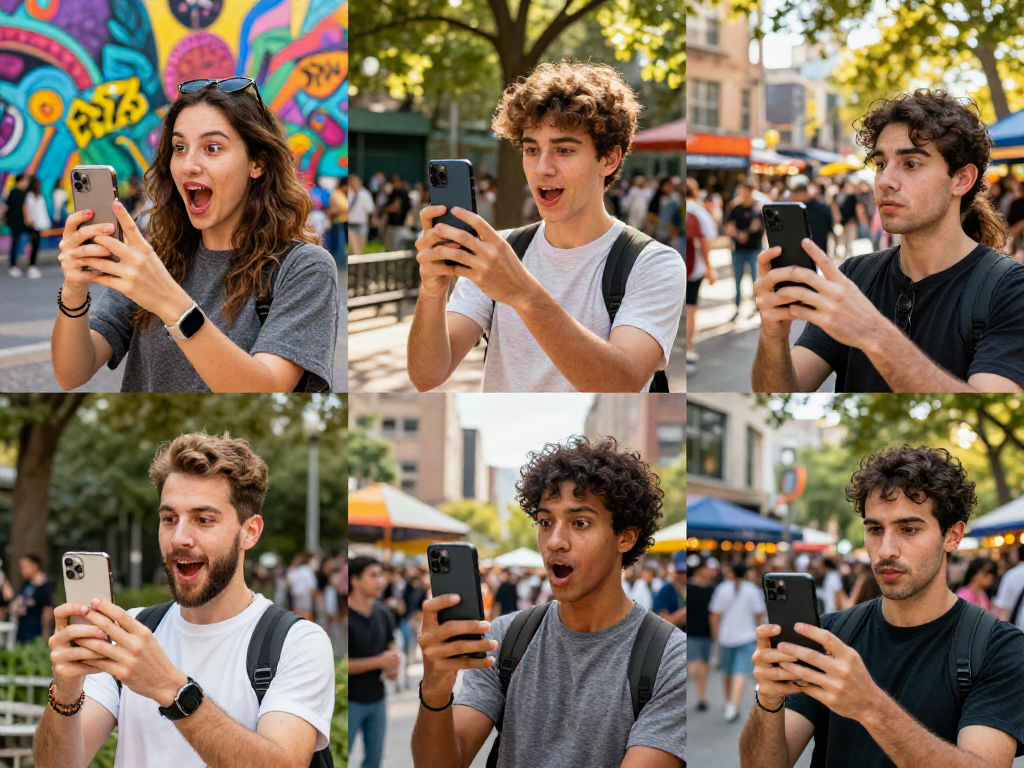
The Fascination with Celebrity Look-Alikes
In a visually driven culture where appearance often sets the stage for celebrity status, the interest in celebrities look alike phenomena continues to grow significantly. Individuals often find themselves drawn to the idea of looking like their favorite stars, leading to a plethora of apps, social media discussions, and viral moments centered around celebrity resemblances. This fascination goes beyond mere curiosity; it reflects deeper psychological and social dynamics at play in contemporary society.
Understanding the Appeal of Celebrity Comparisons
The allure of celebrity look-alikes can be traced back to humanity's inherent desire for connection and understanding. When we see someone who resembles a celebrity, it often evokes feelings of familiarity and admiration. This phenomenon taps into the human psyche's longing for validation, as people enjoy comparing themselves to high-profile individuals who possess qualities they aspire to have. The quest for a celebrity twin feels like a bridge that connects everyday individuals to the glamorous world of fame, creating an engaging blend of escapism and self-exploration.
Psychological Effects of Celebrity Imagery
Celebrity imagery can have profound psychological effects on the average person. Studies have shown that seeing celebrities, especially those who resemble us, can boost self-esteem and foster positive body image. Alternatively, idealized images of celebrity beauty can lead to comparisons that negatively impact self-worth. This duality highlights the complexity of societal standards of beauty and the pervasive influence of celebrity culture on personal identity. Understanding these effects is crucial for individuals navigating their self-image in today's media landscape.
How Social Media Amplifies Look-Alike Trends
Social media platforms are a powerful catalyst for the spread of look-alike trends. Platforms like Instagram and TikTok allow users to showcase their celebrity comparisons through filters and face-matching technologies. With the rise of hashtags and viral challenges, the phenomenon of celebrity look-alikes is not only celebrated but becomes a communal experience, fostering connections among users who share similar likenesses. This environment has led to a renewed interest in exploring and discussing the uncanny resemblances between everyday people and their celebrity counterparts.
Emerging Technologies in Look-Alike Identification
Technological advancements are revolutionizing the way we identify and engage with celebrity look-alikes. The integration of artificial intelligence (AI) and machine learning plays a pivotal role in this process, enabling accurate comparisons based on facial recognition algorithms. Tools such as mobile apps and online platforms now allow users to discover their celebrity twins with stunning precision, transforming the search into an interactive and personalized experience.
AI and Machine Learning: Transforming the Search
AI-powered technology has significantly improved the accuracy of look-alike identification. Through deep learning algorithms, these systems analyze facial features and attributes to match users with celebrities. This technology can differentiate between subtle nuances in facial structure, making the comparisons both accurate and engaging. As a result, users are increasingly drawn to applications that harness this technology to discover their celebrity doppelgängers without the need for extensive photographic archives.
Mobile Apps: User-Friendly Face Recognition Solutions
Mobile applications designed to identify celebrity look-alikes have surged in popularity, offering users a simple and user-friendly interface to engage with. These apps often utilize social media logins for easy access and feature sharing options that encourage users to showcase their results. With thousands of celebrity images in their databases, these apps can quickly provide compelling matches, making the experience fun and shareable. The seamless integration with social media platforms further amplifies the virality of these apps, driving their prevalence among younger audiences.
Accuracy and Ethical Considerations in Technology
While the accuracy of look-alike technologies continues to improve, ethical considerations surrounding privacy and consent are becoming increasingly important. As users upload their images for analysis, issues of data security and ownership arise. Developers and users alike must consider the implications of facial recognition technologies, particularly regarding how data is stored, processed, and shared. Balancing the thrill of finding celebrity resemblances with ethical practices is essential to ensure that technological advancements benefit users without compromising their privacy.
Impact on Fashion and Beauty Industries
The fascination with celebrity look-alikes extends into the realms of fashion and beauty, where trends often mirror the styles of popular figures. As consumers seek to emulate the looks of celebrities, brands have begun to capitalize on the phenomenon by marketing their products through celebrity-inspired campaigns.
Celebrity Look-Alikes as Style Icons
Celebrity look-alikes are becoming trendsetters in their own right, influencing fashion choices and beauty standards. Many individuals who resemble famous stars often garner attention for their unique styles, prompting brands to engage these look-alikes for promotional efforts. The rise of influencer culture further connects these individuals to mainstream fashion, as they become relatable representations of aspirational beauty—reinforcing the notion that anyone can embody star power with the right attire.
How Brands Leverage Look-Alike Trends
Brands in the fashion and beauty sectors have recognized the marketing potential of celebrity look-alikes. By featuring these individuals in campaigns, brands effectively tap into the cultural relevance of celebrity endorsements while appealing to audiences seeking authenticity. Collaborations between brands and look-alikes often result in viral marketing campaigns, creating buzz and driving sales, as consumers resonate with the approachable glamour these individuals represent.
Case Studies: Successful Campaigns Featuring Look-Alikes
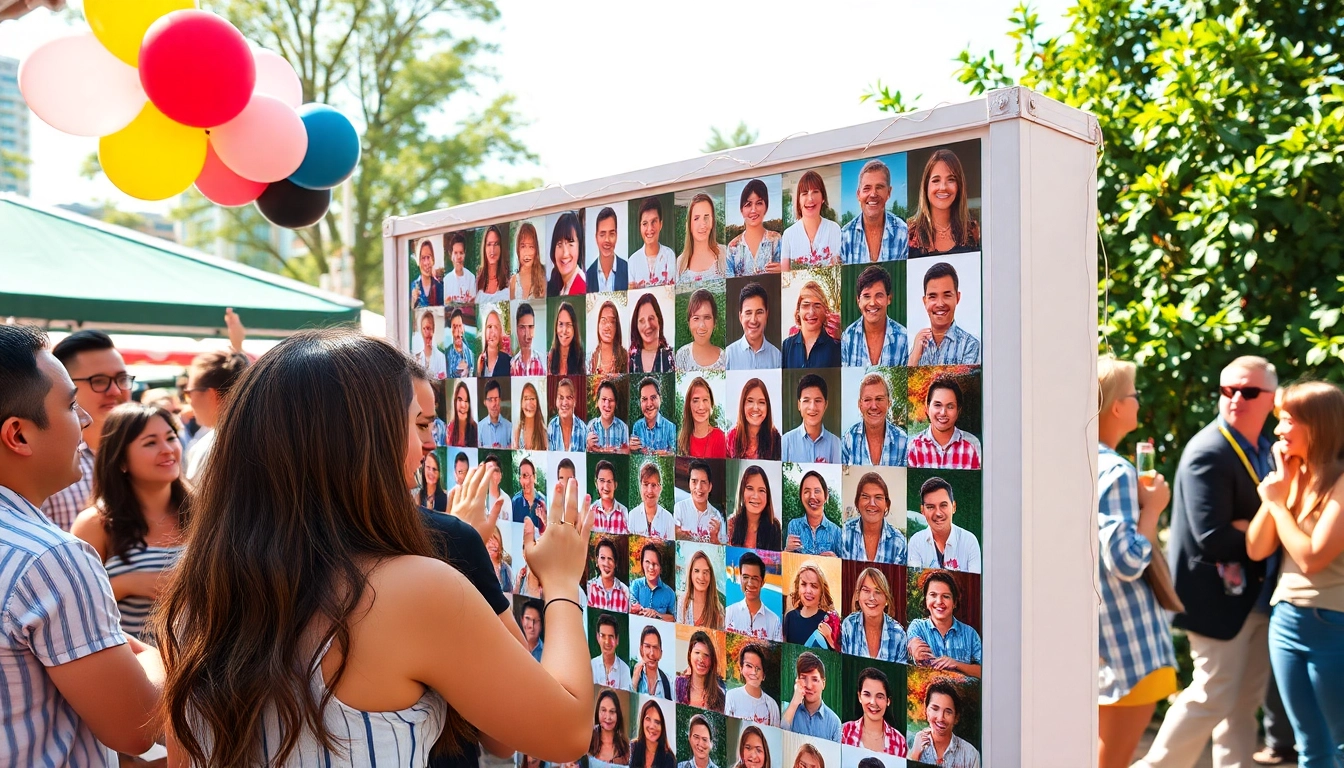
Several successful campaigns have emerged that showcase celebrity look-alikes, illustrating their marketing power. For instance, brands have leveraged social media platforms to host contests for users to submit their best celebrity look-alike photos, resulting in organic engagement and brand loyalty. Additionally, collaborations between look-alikes and official celebrity endorsements have created a unique synergy that captivates audiences, showcasing how marketing strategies can evolve in response to emerging trends.
Exploring Look-Alike Culture on Social Platforms
The rise of look-alike culture has found a welcoming home on social media, where memes, trends, and discussions flourish. Platforms like TikTok and Instagram are flooded with content featuring celebrity comparisons, allowing users to celebrate their resemblances in an interactive environment.
Viral Trends and Memes: The Fun of Celebrity Comparisons
Viral challenges and memes centered around celebrity look-alikes often prompt users to partake in a light-hearted exploration of identity. By creating humorous content that highlights their similarities to famous stars, individuals can engage with their audience while fostering a sense of community. These types of viral trends not only entertain but also serve as a means of self-expression and creativity, encouraging participation and collaboration among users.
User-Generated Content and Community Engagement
User-generated content plays a crucial role in the growth of look-alike culture. Social media users actively share their findings and experiences with look-alike identification, often inviting their followers to participate in the fun. This collective engagement contributes to a sense of belonging, as users bond over shared likenesses to celebrities, ultimately fostering a vibrant online community that thrives on creativity and humor.
Influencer Collaborations: Expanding Reach and Engagement
Influencers who resemble celebrities have a unique opportunity to herald their resemblance as part of their brand, often collaborating with beauty and fashion companies to promote products that align with their look and style. This collaborative approach allows brands to capitalize on influencer reach while providing a platform for look-alikes to expand their audience. By engaging in these partnerships, influencers can amplify discussions around celebrity comparisons and further the cultural dynamics surrounding them.
Future Trends in Celebrity Look-Alike Discoveries
As the fascination with celebrity look-alikes evolves, so too do the technologies and trends that accompany it. The next few years promise exciting innovations that will shape the interaction individuals have with celebrity culture.
Predictions for 2026 and Beyond
The continuous advancement in AI technologies suggests that future look-alike identification apps will become even more sophisticated, offering features like augmented reality (AR) that allow users to virtually try on celebrity hairstyles or makeup. Furthermore, as privacy concerns grow, the demand for ethical practices in technology will drive the development of more transparent applications that prioritize user consent and data security.
Innovations in AI and Virtual Reality Applications
Innovations in AI and virtual reality will likely lead to immersive experiences that allow individuals to engage with their celebrity look-alikes in new and exciting ways. Conceptualizing virtual meet-and-greets with AI-generated likenesses of celebrities or creating interactive content tailored to individual users could redefine how audiences connect with celebrity culture. These innovations will enhance user experiences and set the stage for unprecedented engagement with look-alike trends.
How Look-Alike Culture Will Evolve with Audience Engagement
As audience engagement continues to reshape the landscape, look-alike culture is expected to grow into a more interactive and participatory experience. With the incorporation of gamified elements and community-driven initiatives, users may find new ways to connect beyond mere comparisons, fostering richer relationships with both celebrities and each other. The evolution of look-alike culture will reflect broader societal changes and aspirations, further intertwining the realms of entertainment and identity.
What is the best celebrity look-alike app?
Determining the "best" celebrity look-alike app often involves personal preference, but several popular options utilize advanced AI technology to offer accurate matches. Look for apps with high user ratings and positive feedback on their functionality and ease of use.
How to find out which celebrity I look like?
To discover your celebrity counterpart, download a celebrity look-alike app and upload a clear photo of yourself. Most apps will analyze your facial features, providing you with a list of celebrities you resemble based on their algorithms.
Are celebrity look-alike comparisons accurate?
While many apps have significantly improved in their accuracy thanks to AI and machine learning, results can vary based on photo quality, lighting, and the algorithms used by different applications. Users should approach results with a sense of fun rather than definitive accuracy.
Why do people enjoy finding celebrities look alike?
The enjoyment of finding celebrity look-alikes stems from a combination of curiosity, entertainment, and the social connection it fosters. It allows individuals to explore their identities in relation to popular culture and share this experience with others.
What are the ethical concerns related to look-alike technology?
Ethical concerns surrounding look-alike technology include data privacy, consent, and the potential for misuse of facial recognition technology. As the field develops, addressing these concerns will be critical in maintaining user trust and safety.