
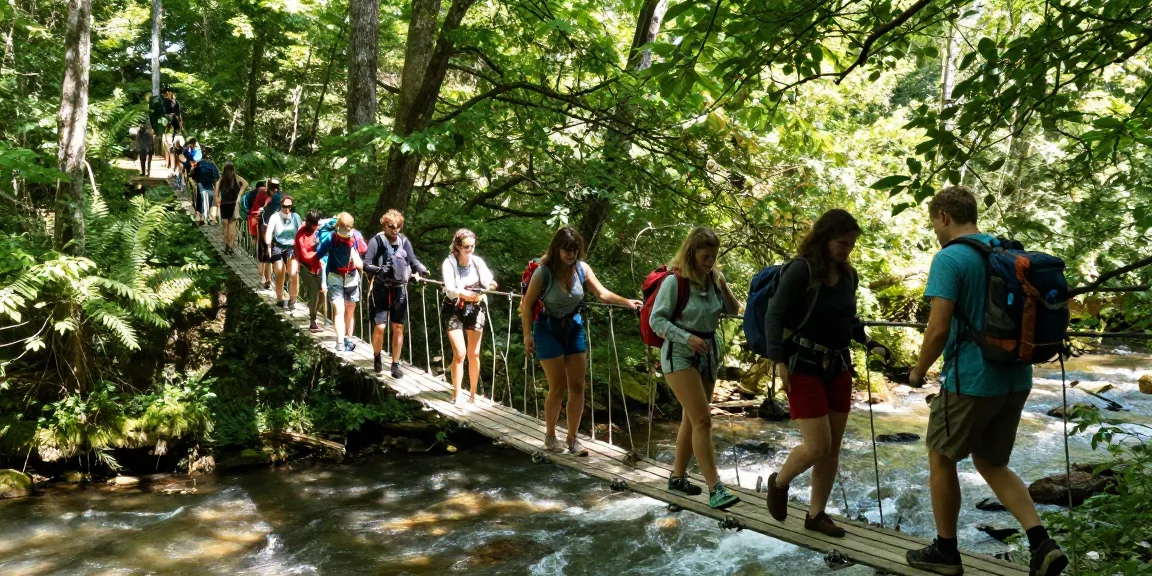
Understanding the Benefits of a River Rope Bridge
Rope bridges have long been a staple of adventure and outdoor experiences, offering a unique way to traverse rivers and canyons. As nature enthusiasts and adventure seekers continue to explore remote destinations, the demand for structures like the River Rope Bridge has surged, not just for practical use, but also for their aesthetic appeal. When exploring options, River Rope Bridge designs incorporate both safety and adventure, creating breathtaking experiences across natural landscapes.
Why Choose a River Rope Bridge?
Rope bridges are incredibly versatile structures, perfect for various outdoor applications, whether for recreational trails, campsites, or eco-tourism sites. The primary benefits of opting for a river rope bridge include:
- Accessibility: These bridges provide essential access to remote areas, allowing hikers and nature enthusiasts to reach otherwise inaccessible locations.
- Aesthetic Appeal: A beautifully designed rope bridge can enhance the natural beauty of its surroundings, becoming a focal point in outdoor environments.
- Eco-Friendly Solutions: They often require fewer materials and have a smaller environmental footprint than traditional bridges, making them an appealing option for eco-conscious projects.
Safety Features to Consider
While aesthetic and practical benefits are significant, safety should always be the foremost consideration when constructing a river rope bridge. Key safety features include:
- Load Capacity: Ensure that the bridge is designed to support appropriate weight loads based on expected usage.
- Handrails and Safety Lines: Integrating robust handrails and safety lines can enhance security for users, particularly in high-traffic areas.
- Regular Maintenance Checks: Implementing a maintenance schedule to inspect the bridge for wear and tear ensures ongoing safety and durability.
Environmental Impact and Sustainability
In 2026 and beyond, the focus on sustainability continues to grow. River rope bridges, designed with eco-friendly materials, contribute to minimal environmental disruption. Options like natural fibres or sustainably sourced synthetic materials can help mitigate the impact on wildlife and habitats.
Selecting the Right Materials for Your River Rope Bridge
The materials used in constructing a river rope bridge are crucial for its durability and longevity. Choosing the right material not only affects the structural integrity but also impacts the overall cost and maintenance requirements.
Durability Considerations in Bridge Construction
Durability is paramount in any bridge construction project. The materials must withstand environmental factors such as moisture, UV radiation, wind, and potential wear from foot traffic. Both natural fibres, such as jute and sisal, and synthetic options, like nylon and polyester, have their pros and cons.
Material Options: Natural vs Synthetic
Natural materials like hemp and jute offer excellent eco-friendliness but may require more frequent replacement. In contrast, synthetic fibres like nylon provide significant strength and resistance to weather elements, making them favourable for long-term installations. Choosing the appropriate material will depend on the specific location, usage frequency, and budget.
Cost Implications of Different Materials
The cost of materials can vary significantly. Natural fibres tend to be more affordable upfront but may incur higher maintenance costs due to their lower lifespan compared to synthetic options. Evaluating the initial cost versus the long-term investment is crucial for your budget.
Designing Your River Rope Bridge: Key Elements
The design phase is critical in ensuring the rope bridge meets both functional and aesthetic needs. Key design elements can significantly influence user experience and safety.
Structural Integrity: Essential Design Principles
Ensuring structural integrity involves adhering to established engineering principles. This includes proper tensioning of ropes, appropriate anchoring systems, and compliance with local building codes and safety regulations.
Incorporating Aesthetic Elements
Beyond functionality, incorporating aesthetic elements can enhance the beauty of the bridge. Integrating natural colours, textures, and design motifs can create a visually appealing structure that harmonises with the surrounding environment.
Custom Design Options for Specific Needs
Customisation options allow the bridge to cater to specific user needs, such as width for wheelchair access or unique design features that reflect cultural heritage or local fauna.
Installation Process of a River Rope Bridge
Installing a river rope bridge requires careful planning, skilled labour, and adherence to safety regulations. The installation process is a critical phase that will determine the bridge's success and longevity.
Pre-Installation Planning and Site Assessment
A thorough site assessment is the first step in the installation process. Factors such as the river's flow, bank stability, and environmental impact must be considered to determine the optimal bridge location.
Step-by-Step Guide to Installing Your Bridge
- Conduct a site assessment and obtain necessary permissions.
- Gather materials and tools required for construction.
- Secure the bridge's anchor points on both banks of the river.
- Install the main support cables and ensure proper tensioning.
- Attach decking and safety features.
- Perform a load test and safety inspection before opening to the public.
Maintenance Tips for Longevity
Regular maintenance is essential for ensuring the safety and longevity of a river rope bridge. Suggested maintenance practices include:
- Conducting regular inspections for wear and tear.
- Cleaning debris that may accumulate on the bridge, which can cause deterioration.
- Reinforcing or replacing parts as necessary to prevent accidents.
Future Trends in River Rope Bridges for 2026 and Beyond
As technology evolves, the designs and functionalities of river rope bridges will also advance. Anticipating these trends can provide insights into future projects.
Innovative Technologies in Bridge Design
The integration of smart technologies, such as sensors that monitor load and structural integrity, will likely become commonplace in the future. These innovations can enhance safety and reduce maintenance costs.
Community Engagement and Eco-Consciousness
Communities are increasingly involved in the design and implementation of public infrastructure projects. Engaging local communities ensures that the bridges cater to their needs while promoting eco-conscious practices to protect local ecosystems.
Market Demand for River Rope Bridges
With the rise in outdoor activities and tourism, the demand for river rope bridges is projected to grow. As adventure tourism expands, the need for accessible and sustainable crossings will remain a priority for both planners and nature enthusiasts.
What are the advantages of a River Rope Bridge?
Rope bridges provide accessibility, enhance scenic landscapes, and contribute to eco-friendly building practices, making them an ideal choice for many outdoor projects.
How much does it cost to install a River Rope Bridge?
The installation cost varies based on materials, design complexity, and site conditions, but planning and budgeting for long-term maintenance is critical for ensuring overall value.
Where can I find quality River Rope Bridge kits?
There are numerous suppliers offering river rope bridge kits online, providing options tailored for various budgets and requirements, ensuring accessibility for both amateur and professional builders.
What safety measures are needed for River Rope Bridges?
Safety measures include proper load assessments, regular inspections, installation of handrails, and clear signage about usage limits to prevent accidents.
How to maintain a River Rope Bridge?
Regular maintenance includes inspections for damage, cleaning debris, and tension adjustments of supporting ropes to ensure safety and longevity of the bridge.