Understanding Deepfake Technology and Its Implications
As digital communication continues to evolve, the rise of deepfake technology presents significant challenges and opportunities. Deepfakes, which utilize artificial intelligence to generate hyper-realistic videos and audio recordings, have sparked intense discussions about authenticity and trust in virtual interactions. In a world where video conferencing has become the standard for personal and professional communication, the need for Deepfake free meetings has never been more critical. Understanding the implications of deepfakes is essential for safeguarding the integrity of our virtual interactions.
What are Deepfakes?
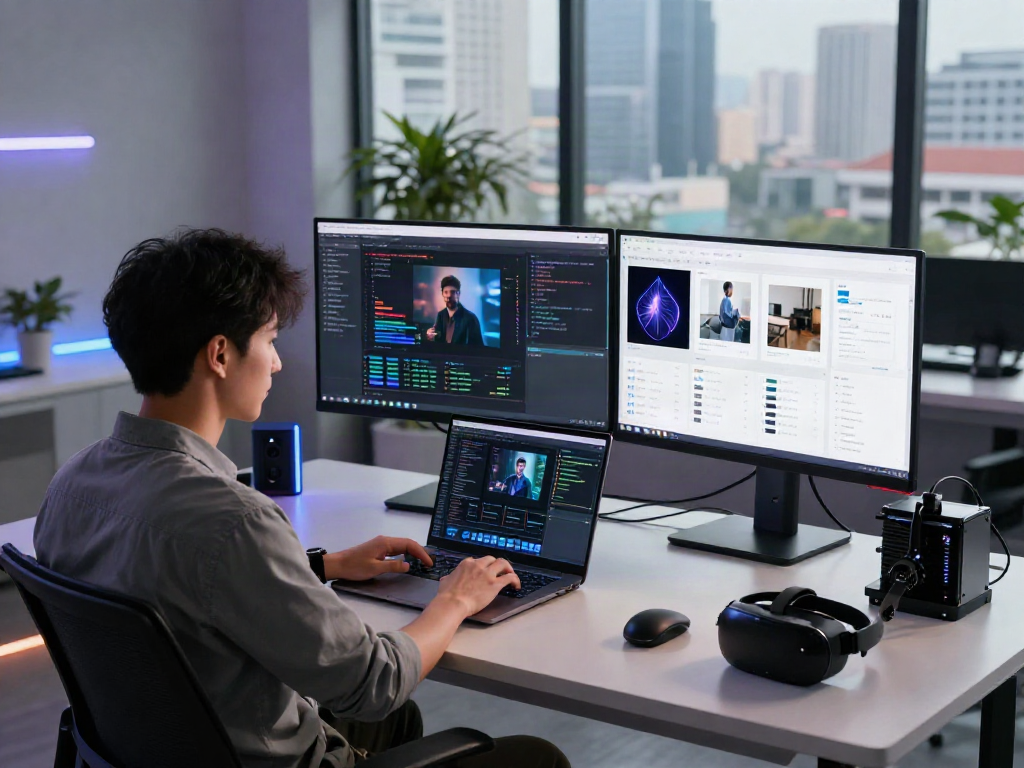
Deepfakes are a form of synthetic media in which a person’s likeness is replaced with someone else’s in a video or audio recording, often accomplished through deep learning techniques. This technology can create convincingly altered content that appears genuine, making it difficult for viewers to discern reality from fabrication. Originally emerging from the realm of entertainment, deepfakes have since found their way into more nefarious uses, raising ethical concerns and security risks across various industries.
The Risks Associated with Deepfake Free Meetings
The emergence of deepfake technology has led to a surge in risks associated with virtual meetings. Key concerns include identity theft, misinformation, and reputational damage. For organizations, the potential for deepfake-related attacks means that sensitive information could be compromised during virtual conferences, leading to financial losses and a breach of trust with clients and stakeholders. As such, implementing solutions for deepfake free meetings is crucial for maintaining security and integrity in corporate communications.
Common Misconceptions About Deepfake Technology
Despite the growing awareness of deepfake technology, misconceptions persist. One common myth is that only high-level technical expertise is required to create deepfakes; however, various user-friendly applications have emerged, making this technology accessible to virtually anyone. Furthermore, many people believe that deepfakes are only a concern for celebrities or public figures, while, in reality, businesses of all sizes face significant risks from impersonation in virtual meetings.
Identifying the Need for Deepfake Free Meetings
Recognizing Potential Threats in Virtual Meetings
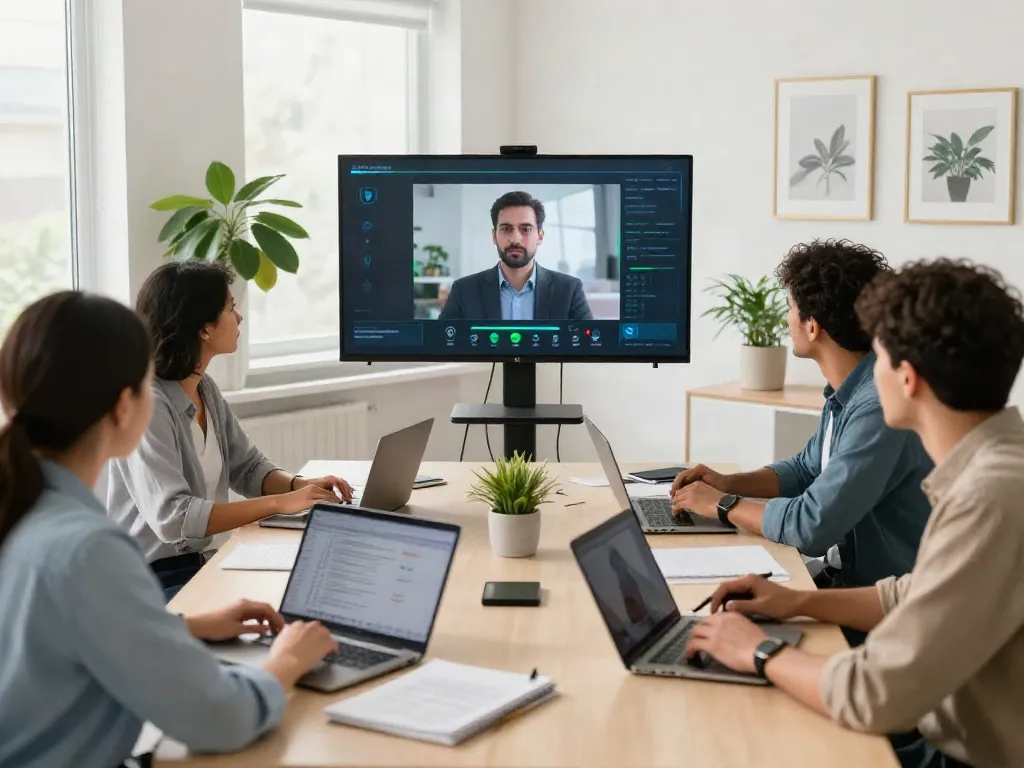
As organizations increasingly transition to remote work and virtual collaborations, recognizing potential threats becomes paramount. Deepfakes can be employed to impersonate employees or key decision-makers, potentially resulting in unauthorized access to sensitive information or the execution of fraudulent activities. By remaining vigilant and integrating robust detection measures, companies can create a safer meeting environment.
User Intent: Why Deepfake Detection Matters
Understanding user intent in the context of deepfake detection is essential. When participants in virtual meetings are aware of the risks posed by deepfakes, they are more likely to adopt security measures and be cautious about the content they consume and share. This awareness not only promotes personal responsibility but also enhances the collective approach to security within organizations.
Examples of Deepfake Incidents in Business
Real-world incidents involving deepfakes have highlighted the potential dangers in business contexts. In one notable case, scammers used deepfake technology to impersonate a company’s CEO, convincing an employee to transfer a significant amount of money to a falsified account. Such incidents underscore the importance of implementing detection solutions and fostering an organizational culture that prioritizes cybersecurity.
Implementing Deepfake Detection Solutions
Evaluating Software Options for Deepfake Detection
To protect against the risks posed by deepfake technology, organizations must evaluate various software options designed for deepfake detection. Many tools leverage AI algorithms to analyze video and audio data in real-time, identifying inconsistencies that indicate manipulation. When selecting a solution, businesses should consider factors such as ease of integration, scalability, and the ability to detect a wide range of deepfake techniques.
Best Practices for Securing Virtual Meetings
Implementing best practices for securing virtual meetings is vital in combating deepfake-related threats. Here are some key strategies:
- Verification Procedures: Establish methods for verifying the identity of participants through multi-factor authentication or unique session codes.
- Educate Employees: Regular training sessions can help employees recognize deepfake content and encourage them to report suspicious activity.
- Use Robust Security Software: Equip your organization with advanced security tools that include deepfake detection capabilities to ensure real-time analysis during meetings.
Real-World Success Stories of Deepfake Prevention
Several organizations have successfully implemented deepfake detection solutions, showcasing the effectiveness of proactive measures. For instance, a financial institution integrated deepfake detection software into its video conferencing platform, significantly reducing the risk of impersonation and fraudulent activities. By prioritizing security and educating employees, the organization not only safeguarded its assets but also strengthened client trust.
Future Trends in Deepfake Detection and Virtual Meetings
Emerging Technologies in Deepfake Detection for 2026
As technology continues to advance, emerging trends in deepfake detection will play a pivotal role in securing virtual meetings. Innovations such as enhanced neural networks and machine learning algorithms will improve the accuracy and speed of detection tools, enabling real-time analysis of live video feeds. Additionally, incorporation of biometric verification methods promises a more comprehensive approach to safeguarding digital interactions.
How AI is Evolving in Video Conferencing Security
Artificial intelligence is set to revolutionize video conferencing security by providing adaptive solutions that evolve in response to new threats. As deepfake technology becomes increasingly sophisticated, AI-driven tools will integrate behavioral analysis and anomaly detection to identify potential deepfakes effectively. This evolution will empower organizations to respond dynamically to emerging security challenges.
Predictions for the Future of Deepfake Free Meetings
Looking ahead, the future of deepfake free meetings appears promising. With the increasing awareness of deepfake technology and its implications, organizations are expected to allocate more resources toward securing virtual communication channels. Enhanced collaboration between tech companies, cybersecurity professionals, and regulatory bodies will facilitate the development of comprehensive frameworks for managing deepfake risks in business environments.
Measuring the Success of Deepfake Free Meetings Strategies
Key Performance Metrics for Detection Effectiveness
To assess the effectiveness of deepfake detection strategies, organizations should establish key performance metrics. These may include the number of deepfakes detected, the response time to potential threats, and participant feedback regarding their confidence in the security measures in place. Regular assessment of these metrics will inform necessary adjustments to enhance detection capabilities.
Feedback Mechanisms from Participants
Implementing feedback mechanisms allows participants to voice their concerns and experiences regarding virtual meetings. Surveys and feedback forms can provide valuable insights into the perceived effectiveness of deepfake detection measures, helping organizations refine their strategies and improve overall security.
Continuous Improvement: Updating Strategies Regularly
Continuous improvement is integral to maintaining secure virtual meeting environments. Organizations should regularly review and update their deepfake detection strategies to account for emerging threats and technological advancements. Keeping abreast of industry best practices will ensure that businesses are well-equipped to combat evolving challenges posed by deepfake technology.