Understanding the Shuffleboard Move
Shuffleboard is more than just a casual party game; it's a skillful endeavor that combines strategy, precision, and technique. One of the most crucial aspects of this game is mastering the Shuffleboard Move. This foundational maneuver sets the stage for players to establish control over the board and improve their chances of scoring. In this section, we will explore what a shuffleboard move is, its significance, and how to prepare for a game.
What is a Shuffleboard Move?
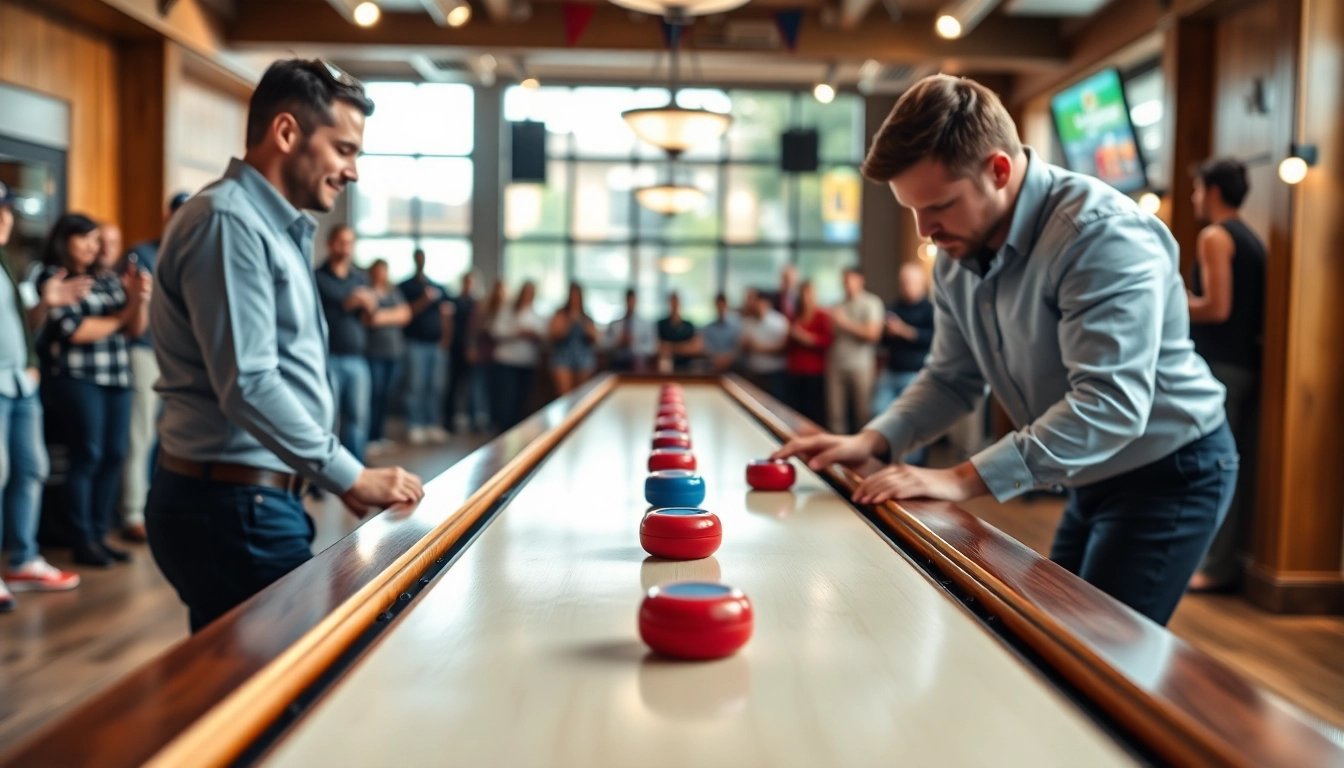
The shuffleboard move refers to the action of sliding pucks — also known as weights — down a long, narrow board towards scoring zones. Players use cues or their hands to propel these pucks, aiming for calculated positions that maximize scoring while hindering opponents. The objective of the shuffleboard move is not merely to get the puck on the board, but to skillfully navigate it into the optimal scoring space while employing various techniques and strategies.
Importance of Technique
Techniques utilized during the shuffleboard move can dramatically influence game outcomes. Proper execution allows players to control not only their own weights but also to disrupt their opponent's strategy. The consequences of a poor technique can lead to missed scoring opportunities and potentially a loss in competitive settings. Therefore, learning the nuances of aim, speed, and delivery is essential for anyone serious about improving their game.
Basic Rules and Setup
Playing shuffleboard involves understanding basic rules and setting up the playing area correctly. Each game is played on a table with a marked scoring area at the opposite end. Players take turns sliding their pucks, and points are awarded based on where the pucks land within the scoring zones. The game often involves strategic decision-making, where players choose whether to focus on scoring or blocking opponents. Knowing how to set up the board and understanding turn order is essential before playing.
Essential Techniques for Shuffleboard Move
Skills in shuffleboard hinge on numerous techniques that can be mastered through practice. These techniques encompass various types of shots, aiming strategies, and weight management that work together to create a comprehensive strategy for gameplay.
Types of Shots
Over time, players have developed numerous types of shots that can be employed during a game. Each shot serves different objectives and can include:
- Direct Shots: Simple strikes that aim directly for a score.
- Bank Shots: Shots that rebound off the side rails to reach scoring zones.
- Blocking Shots: Deliberate strikes that position a puck to impede an opponent's scoring chance.
- Wedge Shots: Aimed at creating separation between opponents' pucks and the scoring zones.
Understanding these shots and when to use them can transform a player's ability to effectively control the game.
Aim and Delivery Methods
Mastering your aim and delivery method is vital in executing a successful shuffleboard move. Consider the following tips:
- Body Positioning: Stand with your feet shoulder-width apart for stability.
- Grip: Hold the puck lightly to maintain control while allowing for a smooth slide.
- Eye Alignment: Focus on the target area on the board to guide your aim.
- Arrow Technique: Use your finger or imaginary line pointing toward your target to improve accuracy.
Each element, from grip to stance, can significantly influence shot execution and accuracy. Practice these methods to enhance your overall game performance.
Weight Management Strategies
In shuffleboard, managing not just your weights but your opponent's is crucial. Effective weight management involves:
- Prioritizing Scoring Weights: Focus on advancing your pucks into scoring zones while considering ranges.
- Buffering: Strategically positioning weights to block or distract opponents from scoring.
- Reinforcing Your Positions: Protect your high-scoring weights by placing additional weights nearby to deter opponents.
Successful weight management requires anticipating opponents' moves and adjusting your strategy accordingly.
Advanced Strategies for Mastering the Shuffleboard Move
As players gain experience, they can incorporate advanced strategies that elevate their game beyond basics, significantly improving their proficiency in executing shuffleboard moves.
Strategic Block and Push Techniques
Blocking and pushing techniques are fundamental to mastering the shuffleboard move. Players may choose to block their opponent’s shots by precisely placing weights in opposition to potential scoring paths. Pushing involves creating favorable opportunities by launching pucks from behind an opponent’s weight, effectively ‘pushing’ your way into favorable scoring zones. Combining both strategies allows for an agile approach, enabling the player to dynamically adapt their strategy based on the game's progression.
Reading Your Opponent
Effective shuffleboard moves aren't just about self-performance; it also involves reading opponents. Recognizing patterns, assessing their strengths and weaknesses, is pivotal for countering strategies. Observe how your opponent reacts to various shots and adapt your play accordingly. If they struggle with bank shots, consider using them to your advantage in your next move.
Situational Adaptation
Situational adaptation refers to adjusting your strategy based on the current score, puck placement, and opponents’ actions. Learning to adapt to changing circumstances enables players to seize opportunities effectively. For instance, if a player is ahead, they may prioritize defensive moves, while trailing players might adopt a more aggressive strategy to regain control.
Common Mistakes in the Shuffleboard Move
Even experienced players can fall victim to common pitfalls that detract from effective gameplay. Here are some typical mistakes to avoid to refine your shuffleboard skills:
Overcompensating Your Aim
A common error is drastically adjusting aim due to minor miscalculations in a prior move. This overcorrection often results in further errors. Concentrate on consistent aim practice, and trust your instinct over reactive adjustments to improve accuracy.
Ignoring Table Conditions
Every shuffleboard table has unique characteristics such as surface texture and incline that affect puck speed and trajectory. Ignoring these elements can lead to unfortunate outcomes. Always evaluate table conditions before starting a game to calibrate aim and technique accordingly.
Failing to Account for Opponent's Moves
Feeling confident about your moves is essential, but underestimating an opponent can lead to errors. Always account for the potential responses from opponents after your move. Make proactive game choices that anticipate their possible counteractions, keeping a flexible tactical approach throughout the match.
FAQs about the Shuffleboard Move
What do you call the objects used in shuffleboard?
The objects used in shuffleboard are called pucks or weights. They are usually made of wood or plastic and come in various colors to signify different players or teams.
How does scoring work in shuffleboard?
In shuffleboard, points are scored when a puck lands in designated scoring zones at the end of the board. The player with the puck closest to the far edge earns points for that round.
What's the best way to practice my shuffleboard skills?
The best way to enhance shuffleboard skills is through consistent practice, focusing on aim and shot execution while experimenting with different techniques in both competitive and casual settings.
Can I play shuffleboard outdoors?
Yes, shuffleboard can be played outdoors on specially designed courts, although there are variations like table shuffleboard that is typically played indoors. Outdoor conditions can affect gameplay.
What type of table is best for a shuffleboard move?
The best type of shuffleboard table typically features a smooth surface and is designed for the specific dimensions of the game, such as a 12-foot to 22-foot length for proper play quality.