
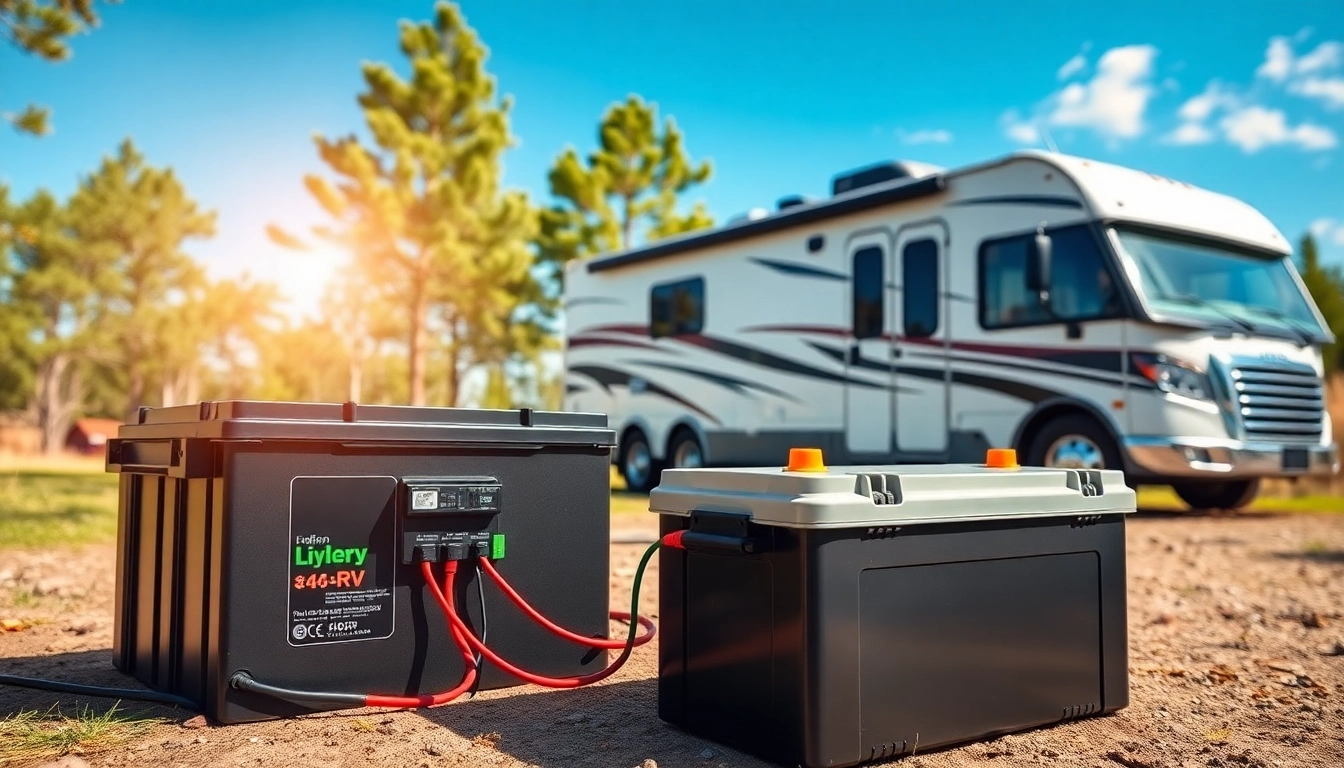
Understanding Lithium RV Batteries
As outdoor enthusiasts increasingly look for more reliable power solutions, lithium RV batteries have emerged as a game-changer in the RV community. These advanced power storage systems are powering everything from small campers to full-fledged recreational vehicles, providing robustness and efficiency that traditional lead-acid batteries cannot match. In this comprehensive guide, we will explore the intricacies of lithium RV batteries, including their benefits, specifications, installation, and maintenance, ensuring you have all the information needed for a seamless upgrade.
What are Lithium RV Batteries?
Lithium RV batteries are advanced energy storage solutions built around lithium-ion technology, particularly lithium iron phosphate (LiFePO4), which is favored for its safety, stability, and efficiency. Unlike traditional lead-acid batteries that rely on chemical reactions involving lead and sulfuric acid, lithium batteries utilize lithium compounds, allowing for less weight and greater energy density. This type of battery retains its charge capacity much longer and provides powerful sustained energy, making it ideal for long-duration trips and off-grid adventures.
Benefits of Lithium RV Batteries
Lithium RV batteries come with several advantages that make them appealing for recreational vehicle users:
- Higher Energy Density: Lithium batteries pack more energy into a smaller volume, meaning less weight and more power.
- Longer Lifespan: They offer a significantly longer lifespan, with some models lasting up to 10 years or more compared to 2-4 years for lead-acid batteries.
- Faster Charging: Lithium batteries charge more quickly, reducing downtime during adventures.
- Deeper Discharge Rates: They can be discharged to a much lower state without affecting longevity, allowing for extended uses between charges.
- Lightweight: Generally, they weigh much less than lead-acid counterparts, making them easier to manage and install in RVs.
How Lithium RV Batteries Work
The operation of lithium RV batteries hinges on lithium-ion technology, which facilitates the movement of lithium ions from the anode to the cathode during discharge. When charged, the ions move back to the anode, storing energy in the process. This movement is controlled through software that optimally manages battery performance, leading to improved cycle life and efficiency. Additionally, built-in Battery Management Systems (BMS) help maintain safe operation by monitoring charge levels, temperature, and overall battery health.
Types and Specifications of Lithium RV Batteries
Common Types of Lithium RV Batteries
Within the realm of Vatrer Power lithium RV batteries, several types are commonly utilized:
- Cylindrical Cells: These are commonly used in laptops and electric vehicles, offering excellent energy density.
- Prismatic Cells: They are rectangular-shaped, allowing for better space utilization within RVs.
- Pouch Cells: Flexible in shape, these cells minimize weight but typically require additional casing for protection.
Specifications to Consider
Choosing the right lithium RV battery involves reviewing key specifications:
- Capacity: Measured in ampere-hours (Ah), this indicates how much energy the battery can store. Common sizes range from 100Ah to 400Ah.
- Voltage: Ensure compatibility with your RV’s systems, commonly 12V but can also come in 24V and 48V configurations.
- Weight: Especially important for maintaining vehicle balance and maximizing the load you can carry.
- Charge Cycles: A measure of how many complete discharges and recharges the battery can handle before its capacity diminishes.
Comparison with Lead-Acid Batteries
When compared to lead-acid batteries, lithium RV batteries significantly outshine in almost every aspect: Lead-Acid BatteriesLithium BatteriesWeightHeavierLightweightLifespan2-4 years10+ yearsCharging TimeSlowFastDepth of Discharge50%80-100%MaintenanceRegularMinimal
Choosing the Right Lithium RV Battery for Your Needs
Factors to Consider in Selection
When selecting a lithium RV battery, consider the following factors:
- Power Requirements: Assess the total energy consumption of all appliances and systems in your RV.
- Travel Frequency: If you often boondock or go off-grid, investing in a higher-capacity battery can be beneficial.
- Space Constraints: Consider the dimensions of the battery and the available space in your RV.
- Budget: Evaluate your budget while balancing quality and long-term savings, as lithium batteries tend to offer more value over time.
Recommended Sizes for Different RVs
Choosing the correct battery size is crucial to avoid underperformance:
- Small RVs/Campers: 100Ah-200Ah batteries might suffice for occasional users, powering lights, small fridges, and charging devices.
- Mid-Sized RVs: 200Ah-300Ah units are ideal for moderate use, providing enough power for running multiple appliances.
- Large RVs: 300Ah-400Ah batteries are recommended for full-time travelers with numerous power requirements, including heating and cooling systems.
Cost Considerations
While lithium RV batteries tend to have a higher upfront cost than lead-acid alternatives, their longevity and efficiency lead to significant cost savings in the long run. On average, a quality 100Ah lithium battery may range from $800 to $1,500, depending on the brand and specifications. Evaluating your travel habits, power needs, and the potential for future expansions will help justify the initial investment.
Installation and Maintenance of Lithium RV Batteries
Installation Steps
Installing a lithium RV battery requires care and proper safeguards:
- Safety First: Ensure the RV is powered off and all safety precautions are taken.
- Remove the Old Battery: Disconnect the cables carefully, starting with the negative terminal.
- Install the Lithium Battery: Place the new lithium battery in the battery compartment. Ensure it's securely mounted to avoid movement while driving.
- Reconnect Cables: Connect the positive terminal first, followed by the negative terminal. Ensure connections are tight.
- Test the Setup: Power on the RV to ensure everything is functioning correctly. Monitor voltage levels and charging performance.
Maintaining Your Lithium RV Battery
Regular maintenance ensures longevity and efficiency:
- Keep Clean: Dust and dirt can affect battery performance. Keep the terminals clean and free of corrosion.
- Monitor Charge Levels: Avoid discharging the battery below the recommended level to prolong lifespan.
- Temperature Control: Store batteries in an environment with moderate temperatures, as extreme conditions can damage them.
Troubleshooting Common Issues
If you experience issues with your lithium RV battery, consider the following troubleshooting steps:
- Check Connections: Loose or corroded connections can lead to charging issues.
- Inspect Battery Health: Regularly checking voltage and capacity can help detect problems early.
- Software Updates: Some batteries come with software that can receive updates. Ensure you're using the latest version to maximize performance.
Frequently Asked Questions about Lithium RV Batteries
Are lithium batteries worth it for an RV?
Yes, for frequent travelers and off-grid enthusiasts, lithium RV batteries offer significant advantages such as longer lifespan, faster charging, and more efficient power use, justified by their cost over time.
How long do lithium RV batteries last?
Typically, lithium RV batteries can last 10 years or more, depending on usage patterns, maintenance, and environmental conditions.
Can lithium RV batteries be charged with solar power?
Absolutely! 12V 300Ah Lithium Battery are compatible with solar power systems, making them perfect for off-grid charging solutions.
What is the warranty on lithium RV batteries?
Warranties vary by manufacturer, typically ranging from 5 to 10 years, covering defects in materials and workmanship.
How to safely dispose of lithium RV batteries?
Dispose of lithium batteries at designated recycling centers that specialize in hazardous waste. Never throw them in regular trash due to fire risks.