Understanding TradingView and Its Impact on Market Analysis
In the fast-pacing world of trading, staying ahead of market trends and making informed decisions is crucial for success. TradingView has emerged as a leading platform in this realm, offering a unique combination of sophisticated charting tools and social networking features that allow traders to share insights and strategies. As we delve into the intricacies of TradingView, we will explore its significance in market analysis, how it compares to its competitors, and the future trends in trading technologies. When exploring options, tradingview provides comprehensive insights into market behavior, allowing users to harness the collective knowledge of a vast community of traders.
What is TradingView?
TradingView is not just a charting platform; it's a versatile social network where traders and investors from around the globe connect. Founded in 2011, it offers powerful analytical tools, custom alerts, and real-time data, making it an essential resource for anyone involved in financial markets. Users can access an array of instruments including stocks, forex, cryptocurrencies, and commodities, all presented within an intuitive interface that allows for seamless interaction between charts and news feeds.
The Benefits of Using TradingView for Traders
One of the primary advantages of TradingView is its user-friendly design, offering extensive features that cater to both novice and professional traders. Some key benefits include:
- Comprehensive Charting Tools: With an impressive array of charting options, traders can analyze market movements using various methodologies, from simple line graphs to complex candlestick formations.
- Community Insights: The platform encompasses a vast ecosystem where users can share their experiences, strategies, and market analysis, fostering a collaborative learning environment.
- Custom Alerts and Notifications: Traders can set conditional alerts on price movements, ensuring they stay informed on critical changes without having to constantly monitor the markets.
- Integration with Brokerage Accounts: TradingView allows for direct trading from its interface, providing convenience and efficiency for users who want to execute trades quickly.
Common Challenges with TradingView and Solutions
Despite its numerous advantages, some users encounter challenges while navigating the platform. Common issues include:
- Complexity for Beginners: New users may find the extensive features overwhelming. It's beneficial to explore the educational resources available on TradingView and leverage the community for support.
- Connectivity Problems: On rare occasions, users may experience latency or downtime. Ensuring a stable internet connection can mitigate most issues.
- Cost of Premium Features: While TradingView offers a free tier, some advanced features require a subscription. Users should evaluate which features they truly need before committing.
Top Features of TradingView You Should Know
Real-Time Market Data and Alerts
One of the standout features of TradingView is its capability to provide real-time market data. This is pivotal for traders who must act quickly on emerging market trends. The platform also offers customizable alerts, enabling users to set notifications for specific price points or technical indicators, ensuring they never miss a critical trading opportunity.
Advanced Charting Tools in TradingView
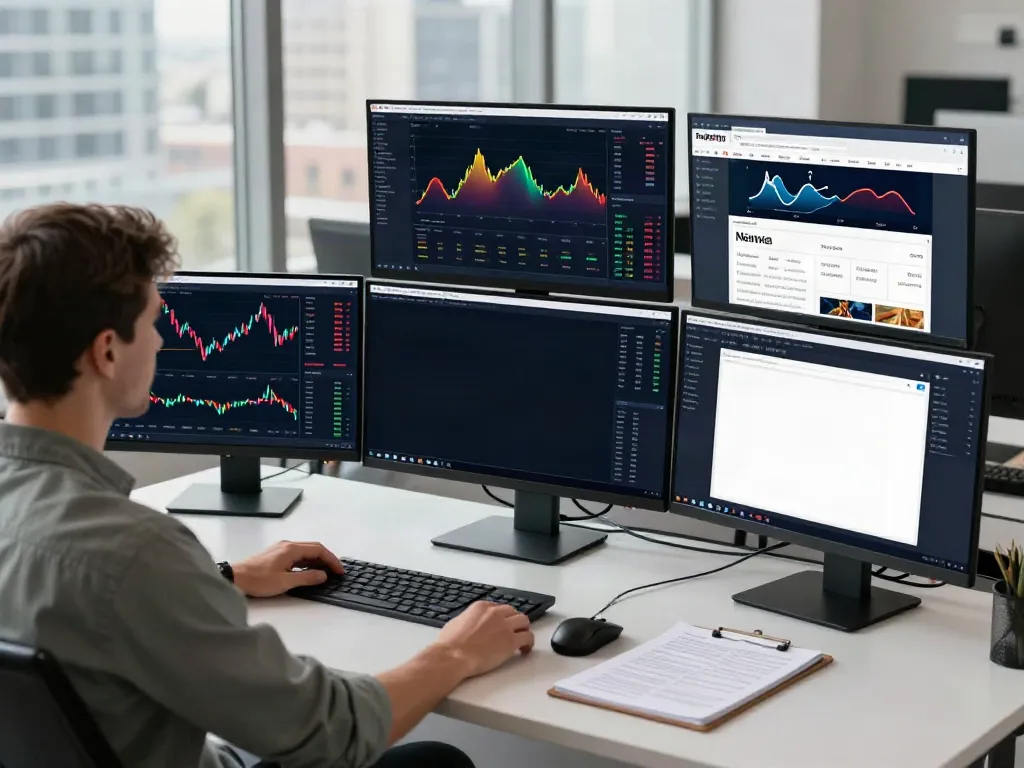
TradingView's charting tools are unparalleled, offering users access to a variety of technical indicators, drawing tools, and different chart types. The ability to overlay multiple instruments on a single chart assists traders in performing comparative analyses, which can illuminate opportunities otherwise unnoticed.
Social Networking and Community Insights
With a robust community of traders, TradingView allows users to share their ideas, strategies, and analyses through posts and charts. This social aspect not only fosters learning but also provides a platform for collaboration and feedback, which can be invaluable for traders looking to refine their strategies.
Best Alternatives to TradingView for Different Types of Traders
For Beginners: User-Friendly Charting Options
While TradingView is an excellent resource, beginners may seek alternatives that offer more guided experiences. Platforms like Thinkorswim or eToro focus on education and simplicity, catering to users who are new to trading.
For Advanced Traders: Professional Analysis Tools
For seasoned traders seeking advanced analytical tools, platforms such as MetaTrader 4/5 and NinjaTrader deliver in-depth market analysis capabilities, alongside comprehensive risk management features that can enhance trading strategies.
Mobile Apps and Their Features Compared
In today’s digital landscape, mobile access is crucial for traders. Platforms like IG and Webull offer powerful mobile applications that rival TradingView’s capabilities, ensuring that traders can analyze markets and execute orders on-the-go.
Implementing Trading Strategies with Alternatives
Using Alternatives for Technical Analysis
Many traders utilize a combination of platforms to enhance their market analysis. By employing tools from platforms such as TradingView alongside more specialized software, traders can tailor their strategies more effectively. For instance, combining TradingView's community insights with MetaTrader’s technical analysis can yield comprehensive strategic approaches.
Combining TradingView with Other Platforms
Integrating TradingView with different brokerage platforms allows traders to harness the best of both worlds. For example, using TradingView for analysis and executing trades on a brokerage account can streamline the trading process, making it efficient and effective.
Case Studies: Success Stories Using Alternative Tools
There are numerous case studies illustrating successful trading strategies enhanced through alternative platforms. For example, a trader utilizing a combination of TradingView and Thinkorswim for real-time analytics and trade execution reported a significant increase in their trade success rate within a few months.
Future of Trading Platforms: Trends for 2026 and Beyond
Emerging Technologies in Trading Analysis
As we look to the future, it’s essential to recognize the role of emerging technologies like blockchain, machine learning, and AI in shaping trading platforms. These technologies will not only enhance data accuracy but also improve user experiences through personalized trading capabilities.
The Role of Artificial Intelligence in Trading
Artificial intelligence is poised to revolutionize trading by enabling predictive analytics and automating trading strategies based on user-defined parameters. Platforms integrating AI can offer insights that help traders make more informed decisions, ultimately leading to better outcomes.
Predictions for Trading Platforms in 2026
By 2026, we can anticipate significant advancements in trading platforms concerning user experience and analytical capabilities. Features like virtual reality trading rooms and enhanced collaboration tools could become commonplace, allowing traders to engage with markets like never before.
What are the Best Practices for Selecting Trading Tools?
Choosing the right trading tools involves evaluating your trading style, goals, and the specific features you require. Look for platforms that offer a balanced combination of ease-of-use, advanced tools, and community engagement capabilities.
How to Stay Ahead in Evolution of Trading Technologies?
To stay ahead, traders should remain engaged with the latest innovations, participate in trading communities, and continuously educate themselves on new tools and strategies. By doing so, they can adapt and thrive in the ever-evolving landscape of trading technology.