
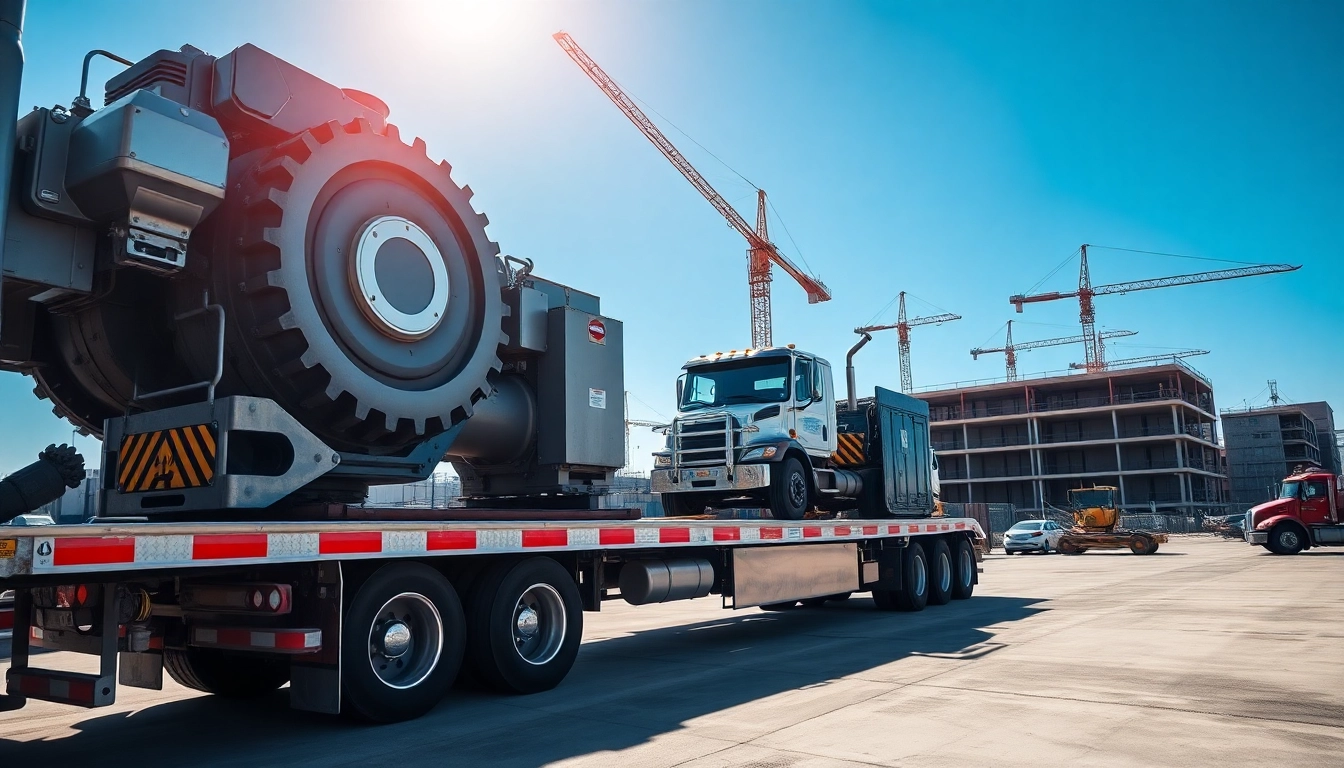
Understanding Equipment Transportation
As industries expand their operations, the demand for efficient and reliable equipment transportation has never been higher. Companies find themselves needing to move heavy machinery and equipment across vast distances, often under tight deadlines. This article delves into the fundamental aspects of equipment transportation, the various types of equipment involved, the significance of professional services, and essential considerations for a successful transport venture.
What is Equipment Transportation?
Equipment transportation refers to the systematic process of moving heavy machinery, vehicles, and other large equipment from one location to another. This could involve transporting construction machinery, factory equipment, agricultural tools, or any other heavy goods that require special handling. Unlike standard freight shipping, equipment transport demands specialized methods, vehicles, and expertise to ensure safety and compliance with legal regulations.
Types of Equipment for Transport
There are various types of equipment that can be transported, and each requires specific considerations for transport:
- Construction Equipment: Includes bulldozers, excavators, and cranes. These often require flatbed trucks that can accommodate their size and weight.
- Agricultural Equipment: Tractors, harvesters, and tillers fall under this category. They often need specialized trailers with additional supports.
- Industrial Machinery: Includes heavy machines used in manufacturing, which might necessitate rigging services for safe loading and unloading.
- Vehicles: This can include transport for cars, trucks, and boats, often using specific vehicle transport solutions.
Importance of Professional Services in Equipment Transportation
Engaging professional services for equipment transportation is critical due to several factors:
- Expertise: Professionals understand the nuances of transporting heavy equipment, including weight restrictions, route planning, and specialized handling.
- Compliance: They are well-versed in the legal requirements regarding permits and regulations, minimizing the risk of penalties and delays.
- Safety: Trained experts ensure that equipment is securely loaded, transported, and unloaded, mitigating damage risks to both the cargo and transportation personnel.
- Insurance Coverage: Professional transport services often include insurance, providing safety nets against potential damage during transit.
Factors to Consider in Equipment Transportation
Weight and Dimensions of Equipment
The weight and size of the equipment play a crucial role in determining the transport method and logistics involved. Each state has weight limits on roadways, requiring careful planning to avoid penalties. Understanding the precise dimensions ensures appropriate vehicle selection and reduces the risk of delays during transport.
Choosing the Right Vehicle for Transport
Selecting the appropriate vehicle is paramount in equipment transportation. Depending on the type and size of the equipment being moved, options include:
- Flatbed Trucks: Commonly used for heavy machinery that can be easily loaded from the top or sides.
- Lowboy Trailers: Ideal for transporting high-clearance equipment, providing a lower deck for safe transport.
- Step Deck Trailers: Effective for loads that need a lower height but still require a standard flatbed setup.
- Specialized Vehicles: Some equipment may need custom transport solutions, depending on unique dimensions and weight distribution.
Permits and Legal Requirements for Transport
Moving heavy equipment often necessitates various permits. Each state has distinct regulations regarding the transport of oversized loads, which can include route restrictions and height limitations. It's essential to research and acquire the necessary permits prior to transport, as failure to do so can lead to legal penalties and traffic disruptions.
Best Practices for Safe Equipment Transportation
Pre-Transport Inspection Checklist
An effective pre-transport inspection is critical to ensuring the equipment's safety and operability during transport. The checklist should include:
- Inspecting fluid levels, tire conditions, and operational readiness.
- Assessing any potential hazards or loose parts that could pose risks during transport.
- Verifying that all safety apparatus, such as seatbelts and emergency brakes, are functioning.
- Ensuring all required permits are available and in order.
Loading and Unloading Techniques
Safe loading and unloading techniques are vital to minimizing damage and ensuring worker safety:
- Use of Ramps: Ensure that ramps used for loading and unloading are stable and capable of holding the equipment's weight.
- Securing Loads: Utilize chains, straps, or other securement devices to prevent shifting during transit.
- Team Coordination: Ensure clear communication among the team during loading and unloading processes.
Safety Measures During Transport
While the equipment is en route, adhering to safety measures is crucial:
- Follow posted weight limits and adhere to route specifications dictated by permits.
- Regular communication should be maintained between the driver and dispatch to monitor any issues that arise.
- Inspect the load periodically along the route to ensure no shifting has occurred, and all safety mechanisms are intact.
Cost Analysis of Equipment Transportation
Factors Affecting Transportation Costs
Several factors influence the overall costs of equipment transportation:
- Distance: Longer hauls typically incur higher costs, taking into account fuel consumption and time.
- Type of Equipment: Different types of equipment may require specialized vehicles or handling, increasing transport expenses.
- Permits: The costs associated with obtaining necessary permits can vary based on regulations and routes.
- Insurance and Liability: Insurance coverage options will also add to the total cost, depending on the value of the equipment being transported.
Budgeting for Equipment Hauling
Effective budgeting for equipment hauling requires a comprehensive understanding of all associated costs. This includes transport fees, potential overtime for crews, costs for permits, and insurance fees. A detailed budget helps ensure that unexpected expenses don't derail the transport project and helps maintain financial health.
Comparing Quotes from Service Providers
Before selecting a service provider for equipment transportation, it’s wise to gather and compare multiple quotes. Look for clear breakdowns of pricing, hidden fees, past customer reviews, and the company's safety record. Cost shouldn't be the only consideration—evaluating the provider's experience and reputation is equally crucial.
Future Trends in Equipment Transportation
Innovations Shaping Equipment Transport
The future of equipment transportation will be shaped significantly by technological advancements. Innovations such as automated logistics management, real-time tracking systems, and enhanced telematics offer better visibility and control over the transport process, which aids in improving efficiency and reducing costs.
Sustainability Practices in the Industry
As industries worldwide aim to reduce their carbon footprints, sustainable practices in equipment transportation are gaining traction. More companies are opting for vehicles that utilize alternative energy sources and are focusing on optimizing routes to minimize fuel consumption.
Technology's Role in Optimizing Transport Operations
Technology plays a crucial role in enhancing equipment transportation operations. From software that facilitates route planning to GPS tracking systems that monitor transport conditions in real time, technology not only eliminates inefficiencies but also improves communication and coordination in transport activities.
FAQs
What is equipment transportation?
Equipment transportation refers to moving heavy machinery and equipment from one location to another using specialized vehicles and techniques.
Why hire professional services for equipment transport?
Professional services ensure safe transport, compliance with legal requirements, and the secure handling of equipment, reducing damage risk.
What factors affect transportation costs?
Key factors include distance, type of equipment, required permits, and insurance costs, all impacting the overall price of transport services.
What are best practices for loading equipment?
Best practices include using stable ramps, securing loads properly, and ensuring clear communication among team members during the process.
How do I budget for equipment transportation?
Budgeting involves estimating transport fees, potential overtime, permit costs, and insurance, ensuring comprehensive financial planning for the haul.