
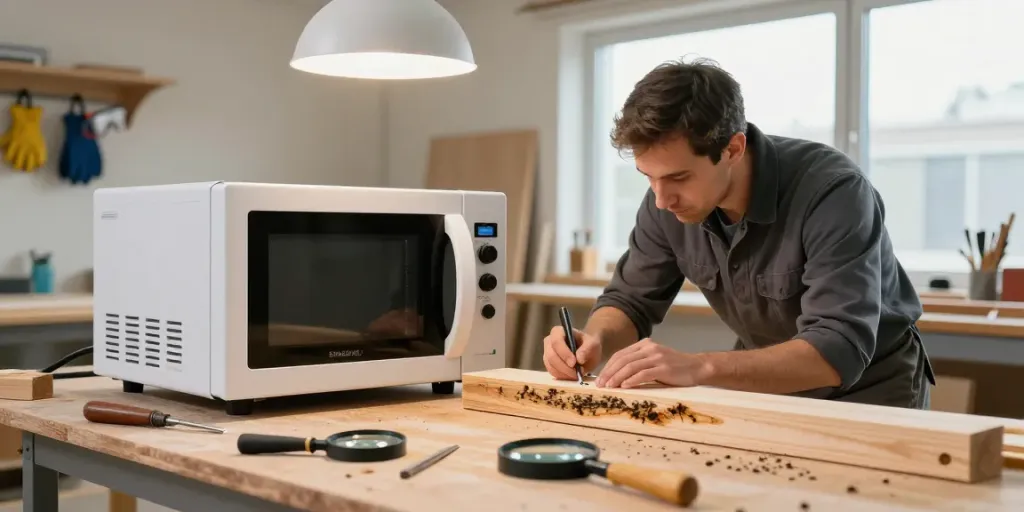
Understanding Woodworm Infestations
Woodworms are the larvae of wood-boring beetles, and they present a significant risk to wooden structures, furniture, and artifacts. Their presence can cause extensive damage, often leading to costly repairs or even structural failure. Many homeowners and businesses face challenges in identifying an infestation until it is too late, making proactive measures crucial. To effectively combat this issue, understanding the nature of woodworm infestations and the limitations of traditional treatments is essential. For a comprehensive solution, consider exploring SHASHEL®, a revolutionary approach using microwave technology for pest control.
What are Woodworms and Their Impact?
Woodworms are the larvae of various species of beetles, notably the common furniture beetle (Anobium punctatum) and the deathwatch beetle (Xestobium rufovillosum). These pests thrive in wooden materials, feeding on cellulose, which can lead to significant structural damage if not addressed promptly. Infestations can weaken beams, furniture, and even historic wooden structures. The initial signs of an infestation often go unnoticed until substantial damage has occurred, making awareness critical.
Signs of Infestation in Your Wood Structures
- Skin and Frass: Look for tiny, powdery dust (frass) and shed skins near infested wood.
- Exit Holes: Small holes on the surface indicate adult beetles emerging from the wood.
- Sound: Listening closely, you may hear a tapping sound as larvae chew through wood.
- Soft Wood: Inspect wood for softness or crumbling—key signs of damage.
Common Misconceptions About Chemical Treatments
Many homeowners believe that chemical treatments are the only effective solution for woodworm infestations. However, these chemicals can pose significant health and environmental risks. They may not penetrate deeply enough to eliminate all life stages of wood-boring insects, leading to recurring infestations. Additionally, the industry has evolved, offering safer, more effective alternatives like microwave technology.
The Benefits of SHASHEL® Microwave Technology
SHASHEL® technology presents a groundbreaking method for pest control, focusing on eliminating wood-boring insects without the need for harsh chemicals. By using focused microwave energy, SHASHEL® effectively penetrates wood, targeting all life stages of pests—from eggs to larvae to adults. This advanced method not only ensures thorough eradication but also adheres to eco-friendly principles.
How SHASHEL® Innovates Pest Control
The innovation of SHASHEL® lies in its ability to deliver precise microwave frequencies that agitate the moisture within the wood, generating heat that is lethal to wood-boring insects. This process is quick—it can effectively eliminate infestations within minutes, making it a time-efficient solution that minimizes disruption to your operations. Furthermore, SHASHEL® devices are versatile, being suitable for use in homes, warehouses, and even during the restoration of historical wooden artifacts.
Advantages Over Traditional Chemical Solutions
- Speed: Treatments can be completed in a fraction of the time compared to traditional methods.
- Safety: SHASHEL® does not involve toxic chemicals, ensuring safety for users and the environment.
- Efficiency: The thoroughness of microwave treatment ensures that all life stages of pests are killed, reducing the risk of re-infestation.
- Non-invasive: Unlike some chemical injections, microwave treatment does not damage the structure of the wood.
Case Studies of Successful Woodworm Elimination
Numerous case studies illustrate the effectiveness of SHASHEL® in diverse environments. From residential homes to commercial facilities, users have reported successful elimination of woodworms after a single treatment session. For example, a historic theater that faced infestation in its support beams was treated successfully, restoring the integrity of its structure without the use of harmful chemicals.
Implementing SHASHEL® in Your Wood Treatment Process
Integrating SHASHEL® technology into your pest management practices involves a straightforward process. The devices are designed for ease of use, allowing users of all skill levels to perform effective wood treatments. Below are essential steps to maximize the benefits of SHASHEL®.
Step-by-Step Guide to Using SHASHEL® Devices
- Preparation: Identify and assess the extent of the infestation in wooden structures.
- Setup: Position the SHASHEL® device according to the manufacturer's guidelines, ensuring proper coverage of the affected area.
- Treatment: Activate the device, understanding that the treatment duration will vary based on wood thickness and infestation level.
- Inspection: After the treatment, inspect the wood for any signs of remaining activity.
Safety Guidelines for Effective Wood Treatment
While SHASHEL® is safe for home use, it's essential to follow safety guidelines to ensure an effective treatment:
- Ensure all personnel are adequately informed about the procedure.
- Maintain proper ventilation during treatment.
- Monitor wood temperatures to avoid overheating.
Preparing Your Space for Treatment
Before initiating a SHASHEL® treatment, prepare your area to optimize effectiveness. Remove furniture, cover sensitive items, and ensure easy access to the wooden structures requiring treatment. This preparation ensures thorough coverage and prevents damage to your belongings.
Measuring Success: Indicators of Effective Treatment
After implementing SHASHEL®, monitoring the results is crucial to determine the effectiveness of the treatment. Several key indicators can help evaluate the success of your pest control efforts.
Post-Treatment Signs of Wood Health
- Absence of new frass or exit holes indicates a successful treatment.
- Wood remains structurally sound with no signs of further deterioration.
- Increased overall health of the wood can be gauged through visual inspections.
Performance Metrics for SHASHEL® Usage
Metric evaluation includes the number of exit holes counted post-treatment and the speed of treatment application. Surveys of user satisfaction and reports of re-infestation rates can also provide valuable data on SHASHEL® performance.
Long-Term Maintenance Strategies for Treated Wood
Preventive measures are essential for maintaining the health of treated wood. Regular inspections and environmental controls (such as humidity management) can help keep future infestations at bay. Additionally, maintaining proper ventilation in storage areas further aids in preserving the treated wood’s quality.
Future Trends in Wood Pest Management
The pest management industry is evolving with technological advancements, and SHASHEL® is at the forefront of these innovations. The incorporation of artificial intelligence in monitoring pest activities and predictive analytics will likely influence future solutions.
Innovations on the Horizon for SHASHEL® Technology
Future iterations of SHASHEL® devices are expected to offer enhanced user interfaces and more precise targeting capabilities, further improving efficiency and user experience. The integration with smart technologies will enable real-time monitoring and notifications, making pest management proactive rather than reactive.
Predictions for Sustainable Wood Treatment Practices in 2026
By 2026, sustainability will be a primary focus in wood treatment practices. Experts predict a shift toward more eco-friendly solutions like SHASHEL®, as regulations tighten concerning chemical treatments. The demand for safer, more effective pest management solutions will drive innovation in this field.
Integrating SHASHEL® Solutions in Modern Woodworking
As woodworking continues to modernize, integrating SHASHEL® technology will enhance preservation techniques, allowing artisans and manufacturers to protect their products without compromising quality. This evolution will ensure that high-quality woodcraft remains intact while safeguarding against pests.
What types of wood structures can SHASHEL® treat?
SHASHEL® technology can treat various wooden structures, including furniture, beams, and even historical artifacts, providing versatile solutions for both residential and commercial applications.
Is the SHASHEL® method safe for home use?
Yes, the SHASHEL® method is designed with safety in mind, using microwave technology that presents no risk to humans or pets when utilized as directed.
How long does the treatment process take?
The duration of the treatment process varies depending on the thickness of the wood and the severity of the infestation, often taking mere minutes to achieve results.
Can SHASHEL® eliminate all life stages of wood-boring insects?
Absolutely, one of the key advantages of SHASHEL® is its ability to target all life stages of wood-boring insects, ensuring complete eradication.
What maintenance is required after treatment with SHASHEL®?
Post-treatment maintenance includes regular inspections, humidity control, and proper ventilation to preserve the integrity of the treated wood and prevent future infestations.